Canon EOS R8 Mark II: Two-minute review
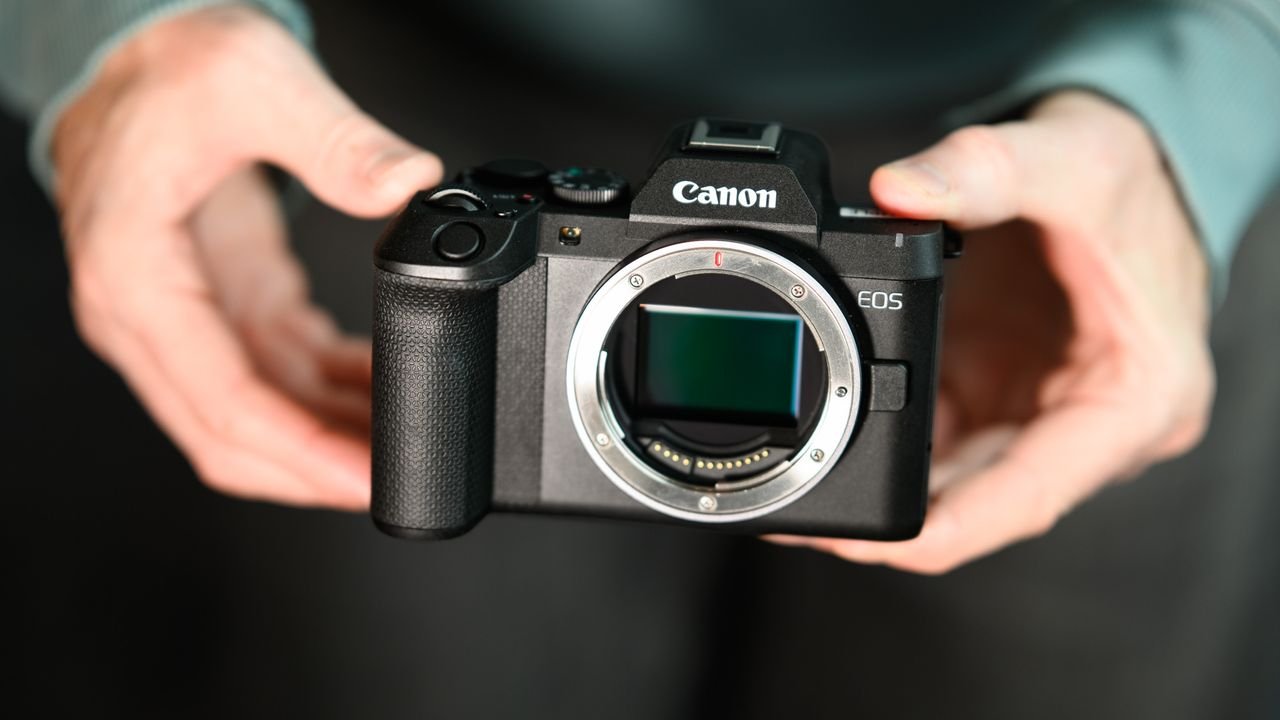
It might look like a Sony or Nikon, but I can assure you that the EOS R8 Mark II is a Canon camera. It’s the realization of a long-rumored model that was expected to be a digital remake of the AE-1 analog SLR camera to mark that camera’s its 50th anniversary, only those rumors proved unfounded, with Canon working in a “modern twist”.
I can see the faint resemblance between the two cameras, and I like the EOS R8 Mark II’s angular look, but I also think Canon has missed a trick by not going all-out retro here, in the way Nikon did with its Zf.
Design should have been the major selling point here, but instead we have a camera that blends in, and that’s not a compliment. This makes it harder to forgive the dated elements of the camera that have been carried over from the original EOS R8.
That’s not to say the EOS R8 Mark II isn’t a decent upgrade from the EOS R8 — it adds in-body image stabilization that’s rated up to 7.5EV to the 24MP full-frame sensor, plus an AF joystick (Canon calls it a multi-controller) which makes autofocus selection simpler.
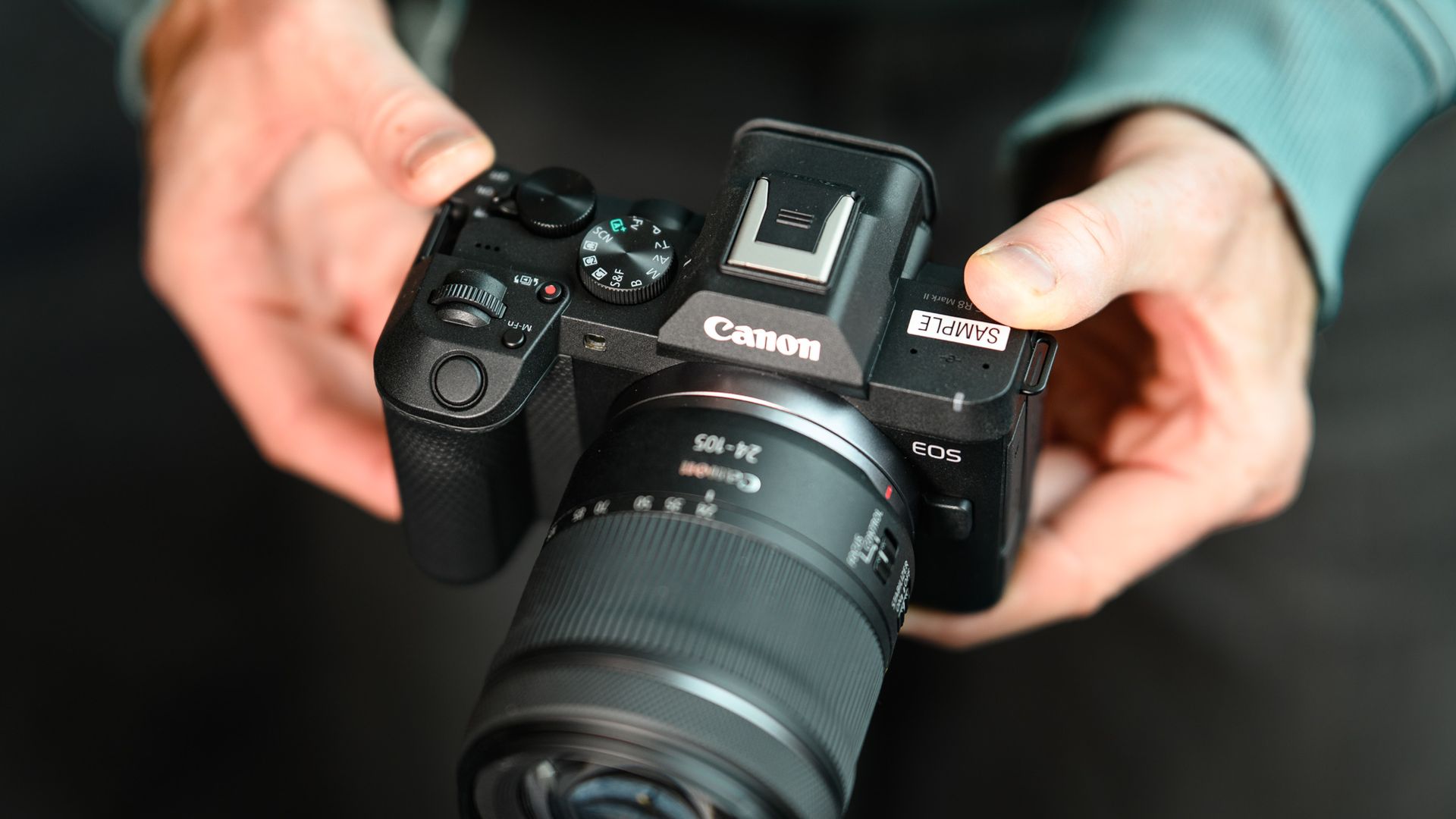
Video specs are also improved, autofocus performance enhanced, and pre-capture appears for the first time in a Canon camera at this price point.
The EOS R8 Mark II is a better camera than the EOS R8, but it also carries the same LCD and EVF displays, and the same tiny battery and entry-level build quality. These dated elements only highlight how much better a camera the Nikon Z5 II is — and that camera from 2025 costs less.
Still, if you’re a Canon fan and committed to its system, the EOS R8 Mark II is a solid upgrade of the EOS R8, and a sensible alternative to the pricier EOS R6 Mark III for users who don’t need the premium design, superior battery life and various high-end features.
Canon EOS R8 Mark II: Price and release date
- Announced on September 16, 2026, priced from £1,729 (about $2,000 / AU$ 3,500)
- Available in 24-105mm F4-7.1 IS STM kit for £2,119 (about $2,400 / AU$4,300)
- Dedicated Extensions Grip (EC-G2) costs £89 (about $100 / AU$190)
- Goes on sale October 20
Canon is expected to sell the EOS R8 Mark II from October 20, with a body-only price of £1,729 (about $2,000 / AU$3,500), which rises to £2,119 (about $2,400 / AU$4,300) for the 24-105mm F4-7.1 IS STM kit (not to be confused with the pricier 24-105mm F4 L IS USM). Other bundles will be available, including one with an additional battery.
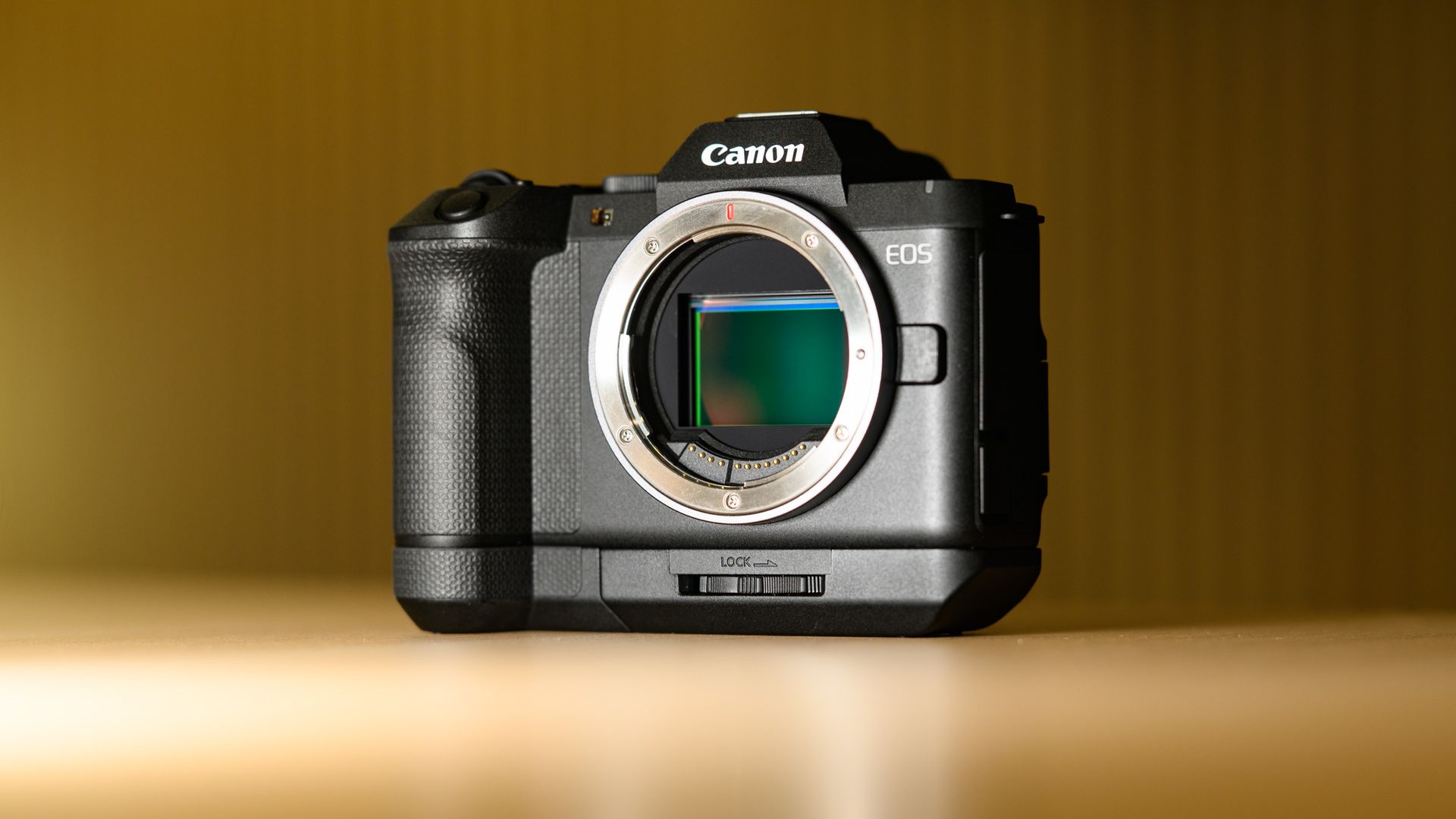
Canon also launched a grip for the EOS R8 Mark II, which costs £89 (about $100 / AU$190). It’s a grip only, and doesn’t feature a battery, but it does feature a hinge allowing direct access to the camera’s battery door.
Canon EOS R8 Mark II specs
Type: | Mirrorless camera |
Mount: | Canon RF |
Sensor: | 24.2MP (effective) full-frame CMOS |
Autofocus: | Dual Pixel CMOS AF II with 1,053 zones, subject detection of people, animals and vehicles + Register People priority |
Continuous shooting: | Up to 40fps (electronic shutter) |
Video: | 4K up to 60fps, up to 10-bit, Canon C Log 3 profile |
Viewfinder: | 0.39-inch, 2.36M-dot OLED EVF, 0.70x magnification |
Screen: | 3.0-inch vari-angle touchscreen, 1.62m-dots |
Storage: | Single SD/SDHC/SDXC slot |
Connectivity: | 2.4 and 5GHz Wi-Fi, camera connect, clean (micro) HDMI, wired connectivity USB-C |
Dimensions: | 131.4 x 90.0 x 79.7mm |
Weight: | 19.3oz / 546g (with card and battery included, 499g without) |
Canon EOS R8 Mark II: Design
- Major new look for an interchangeable-lens Canon camera
- Multi-controller and tally lamp added
- Single SD card slot relocated to a dedicated side access door
- Same LCD and EVF displays as the EOS R8
- Body not weather resistant
I’ve already covered the new look of the EOS R8 Mark II. Whether that fresh design is going to be worked into other Canon cameras or remain exclusive to the R8 series, or if an unadulterated retro mirrorless body is on the way, we’ll have to wait and see. I asked a Canon spokesperson about the prospect of an all-out retro body, and they didn’t rule it out.
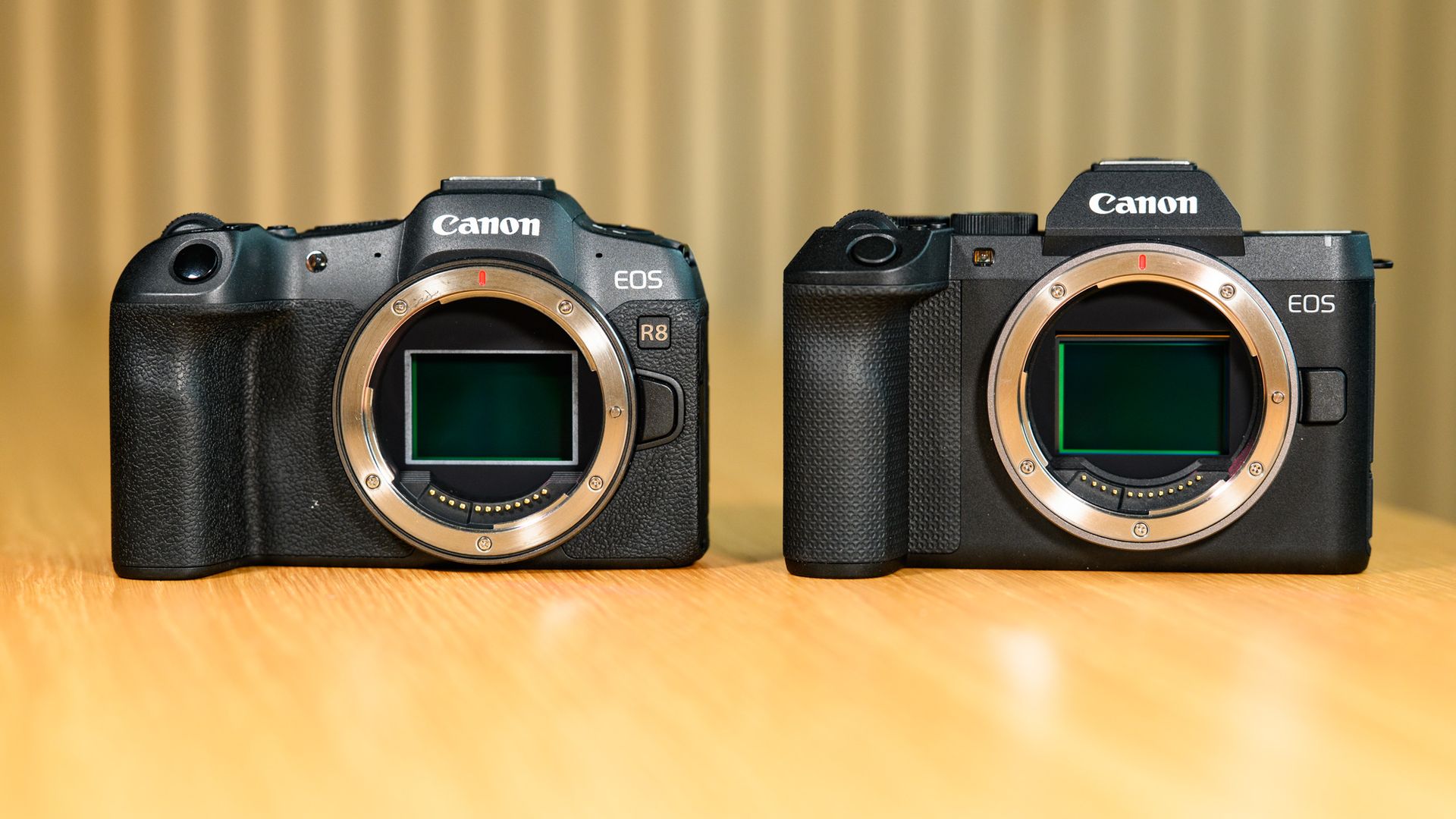
I’ve included a side-by-side photo of the EOS R8 and and EOS R8 Mark II, below, and you can see the sharper lines, and the deeper and textured grip of the new model, which for me evoke the look of Sony bodies more than Canon heritage.
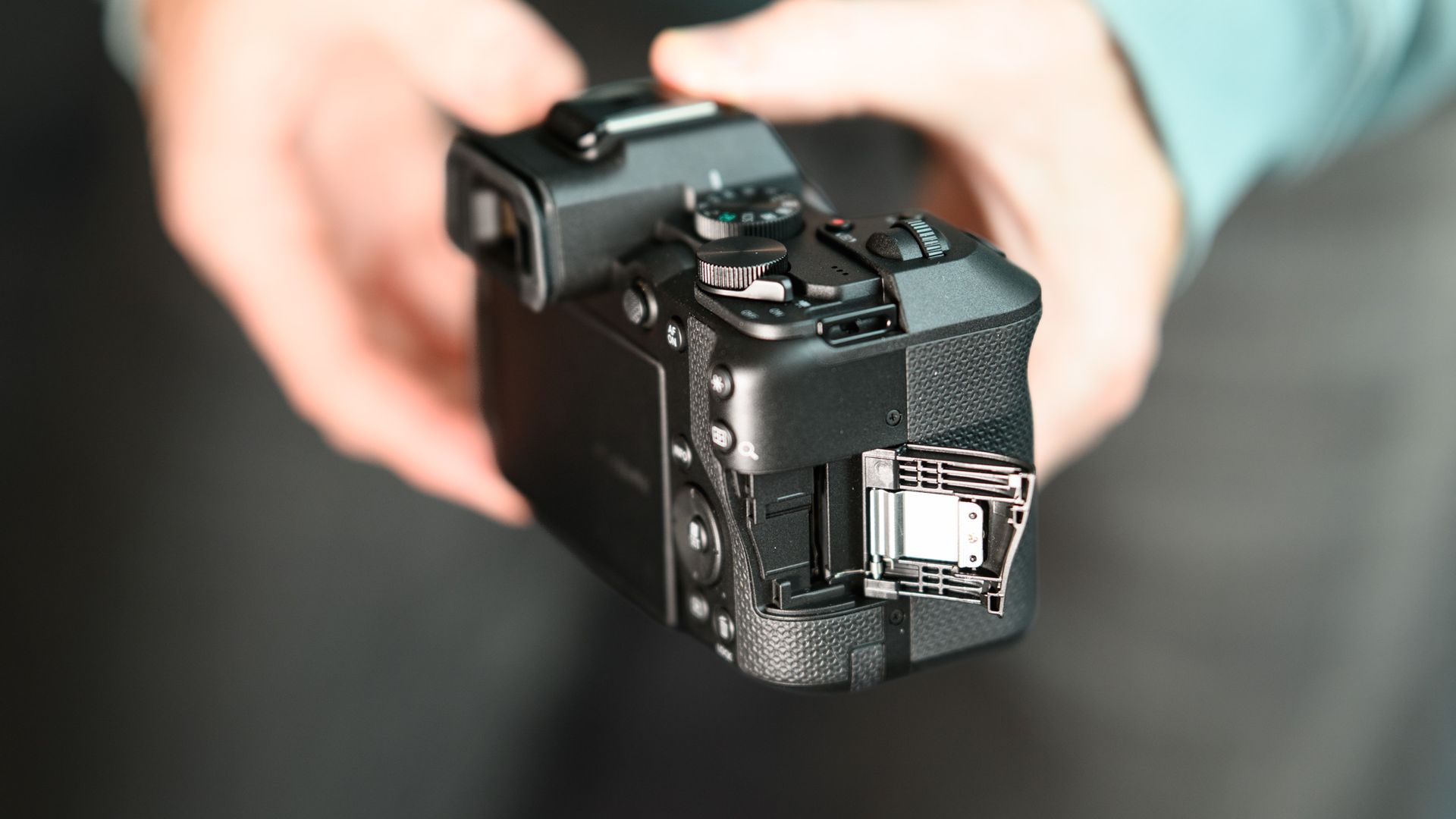
One welcome addition is Canon’s multi-controller button, which can be used to select the autofocus point among other things, and is a much loved feature by users who like to control to how their camera autofocuses, included point selection.
I really appreciated the placement of the multi-controller alongside the AF-ON (autofocus) button, which are both within a slight move of your thumb where it naturally rests in the grip. As such, it was entirely possible to hold the camera and make autofocus point selection one-handed.
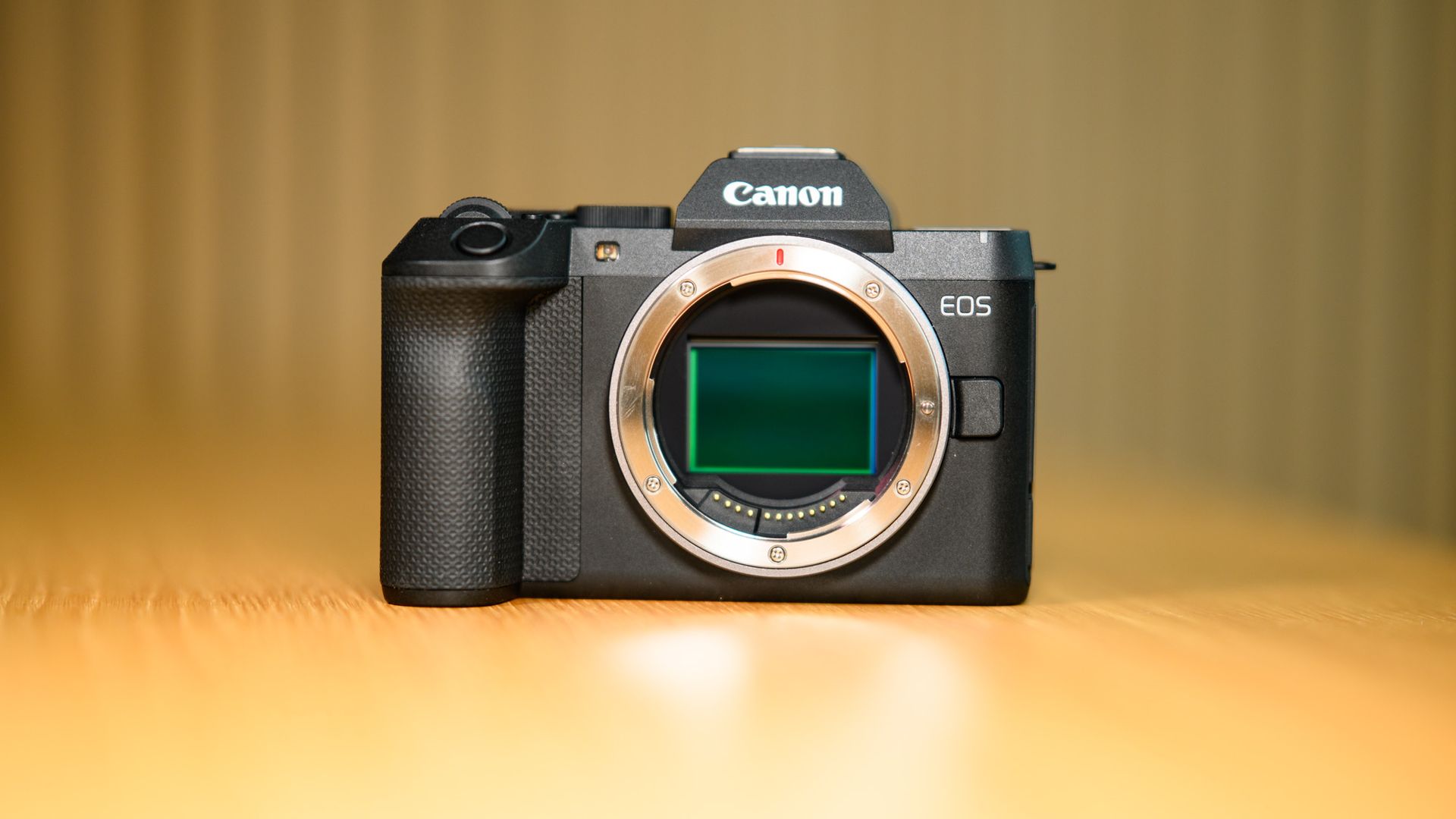
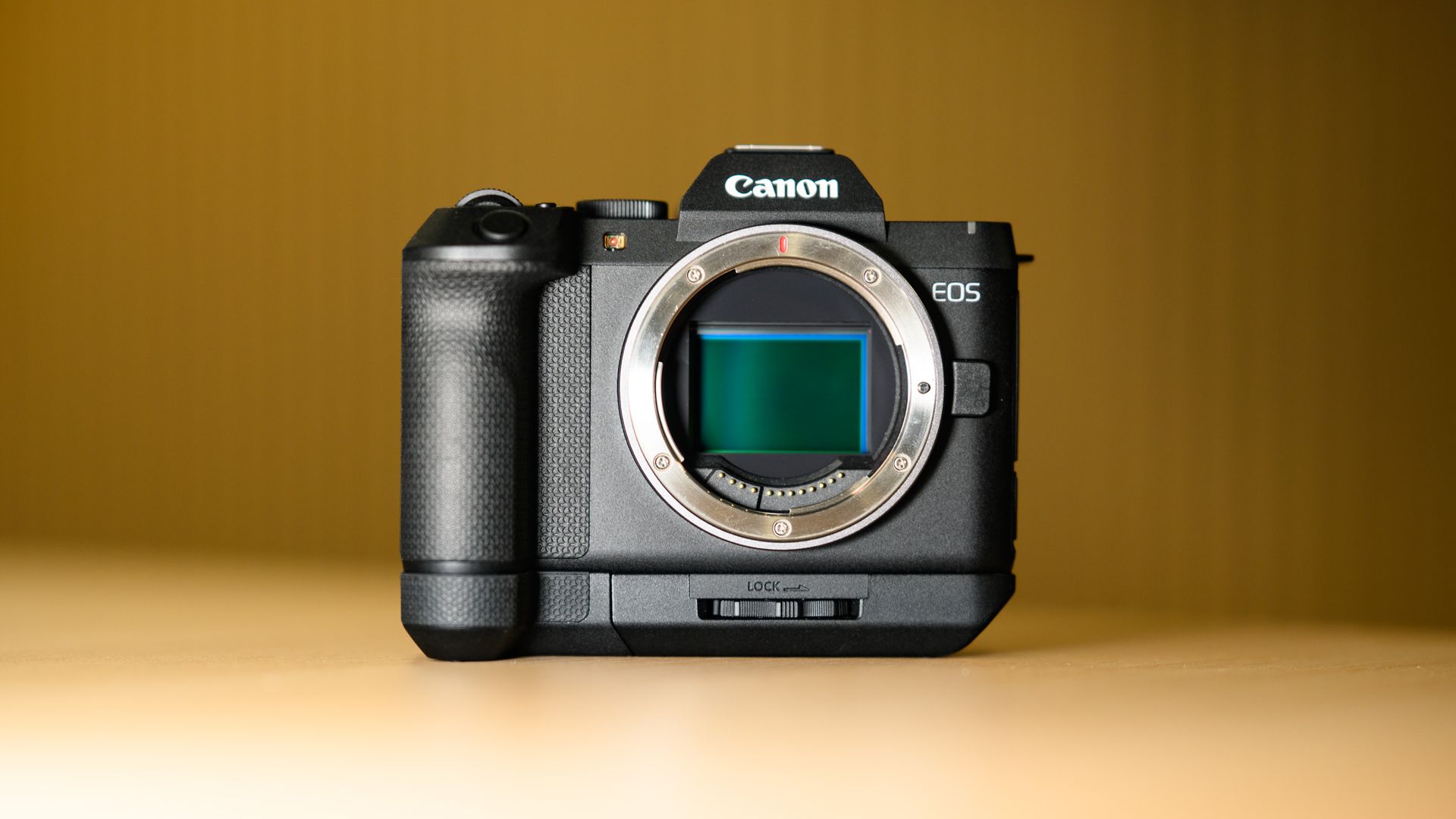
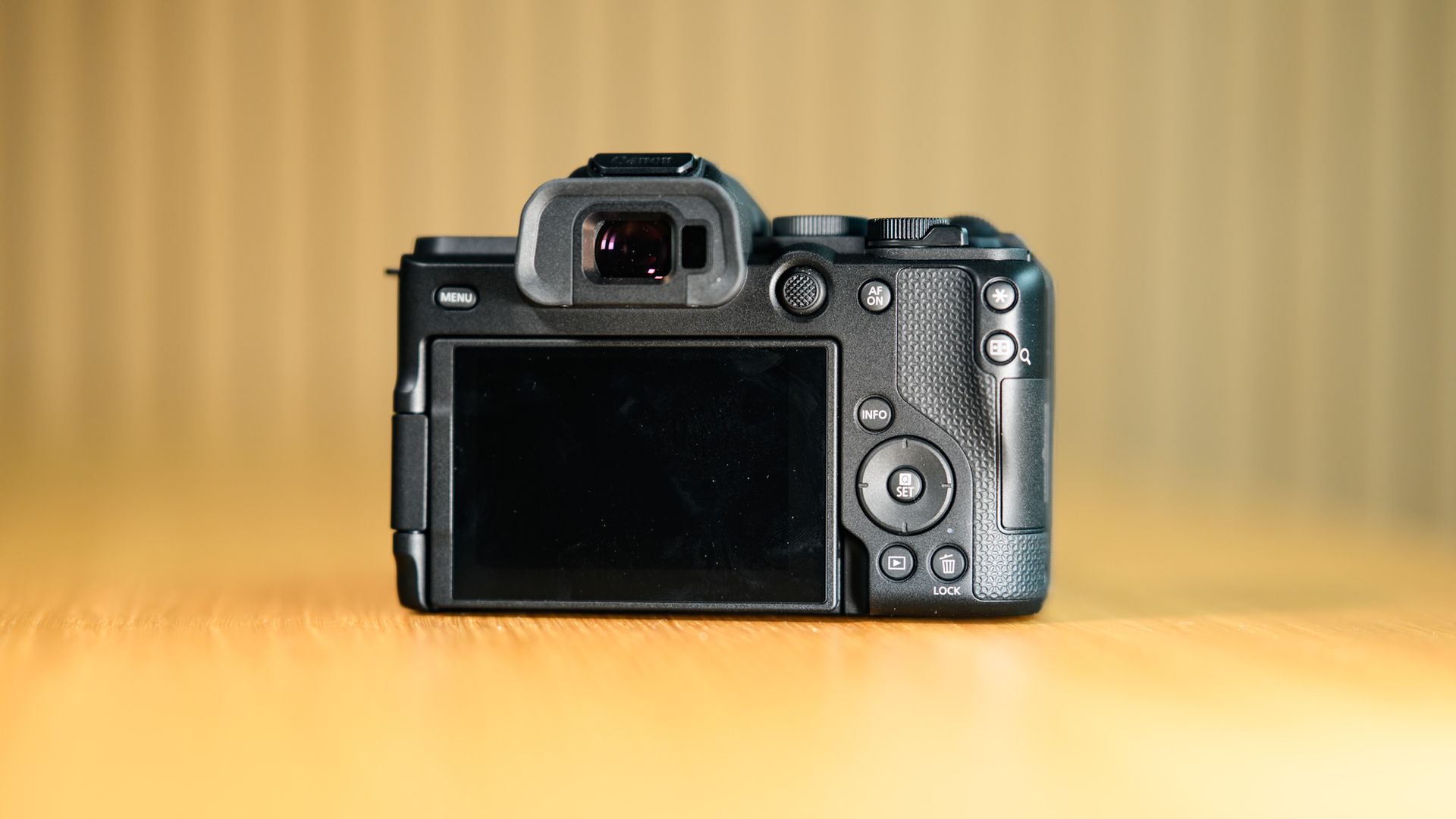
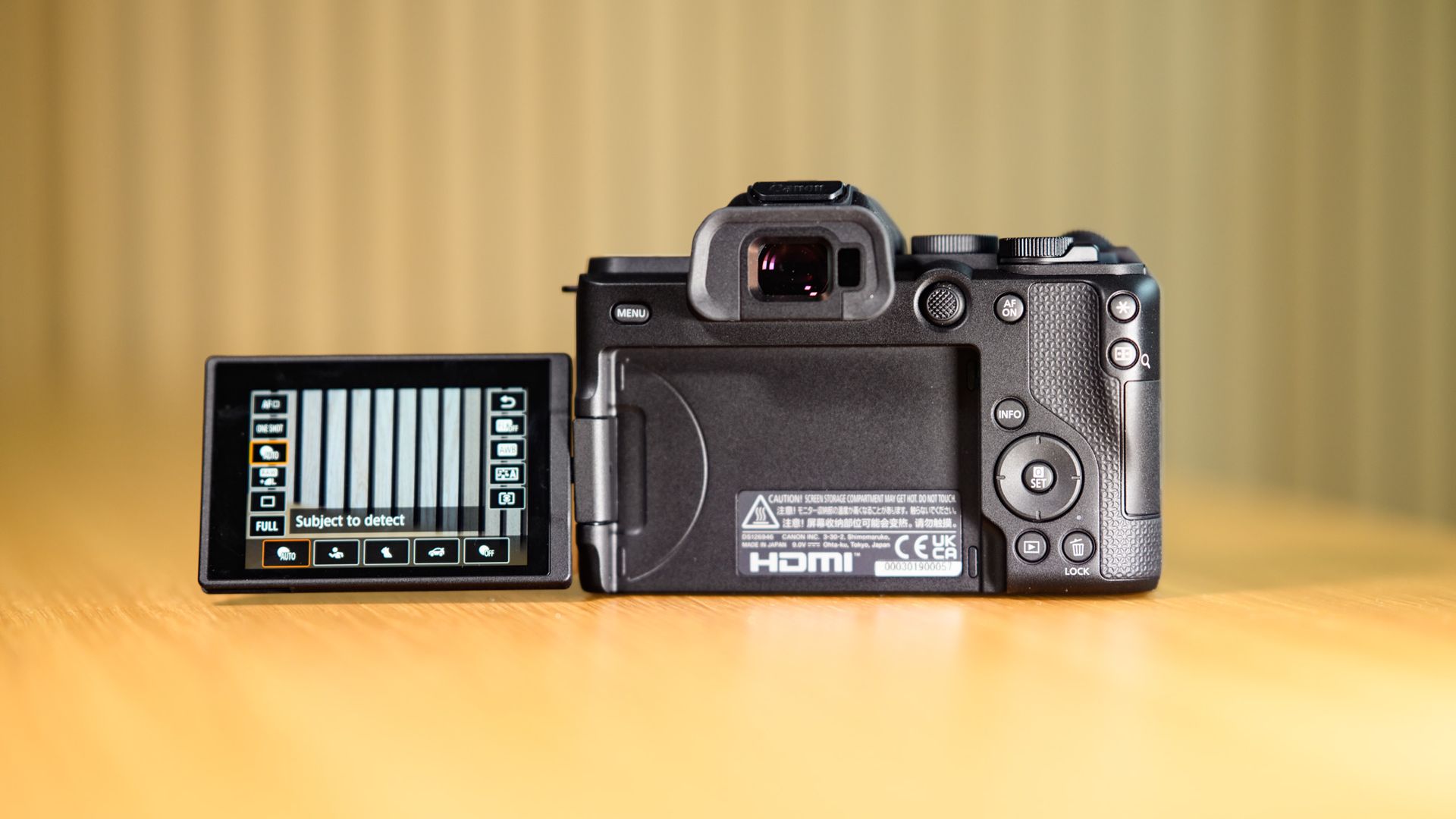
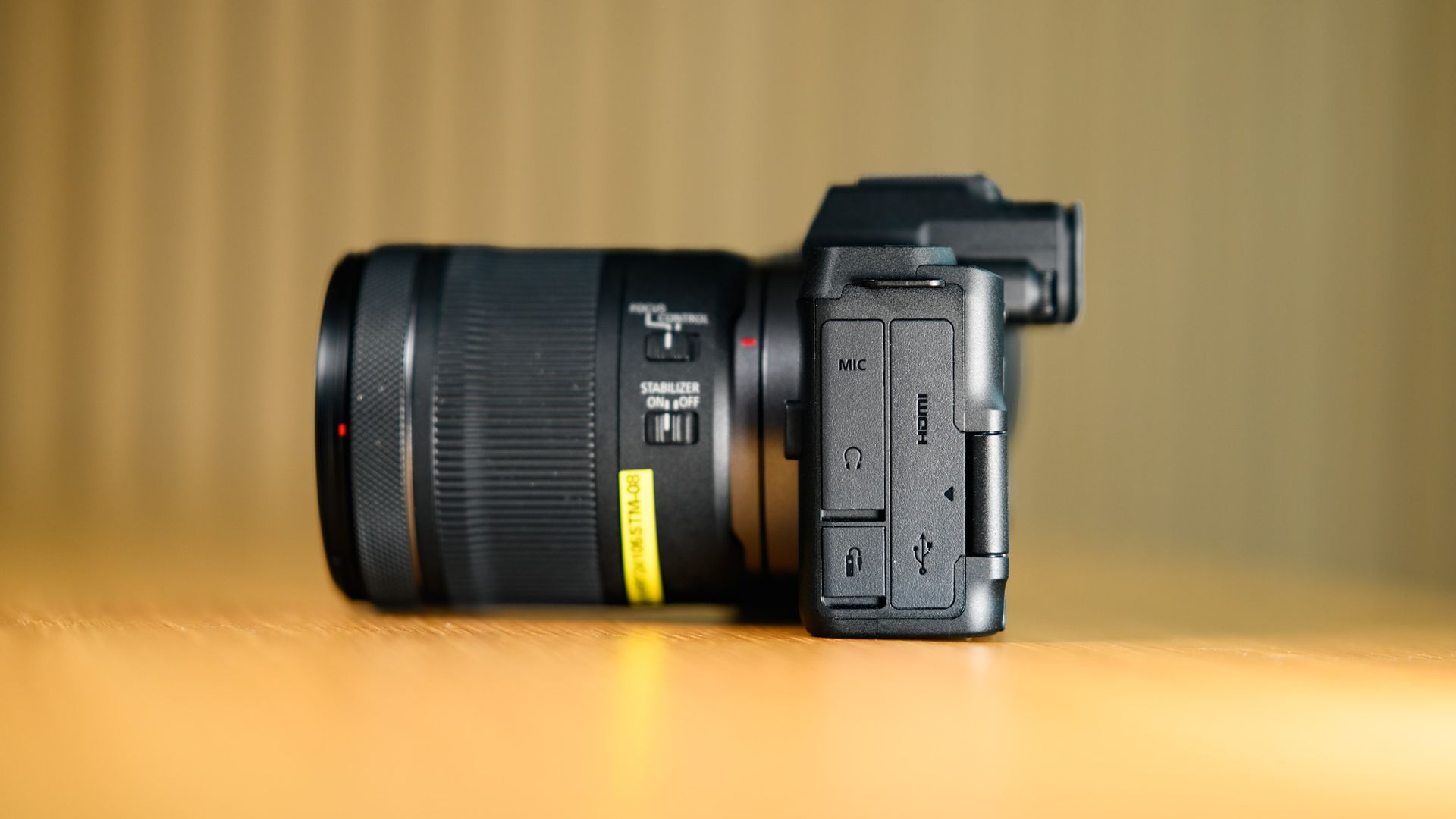
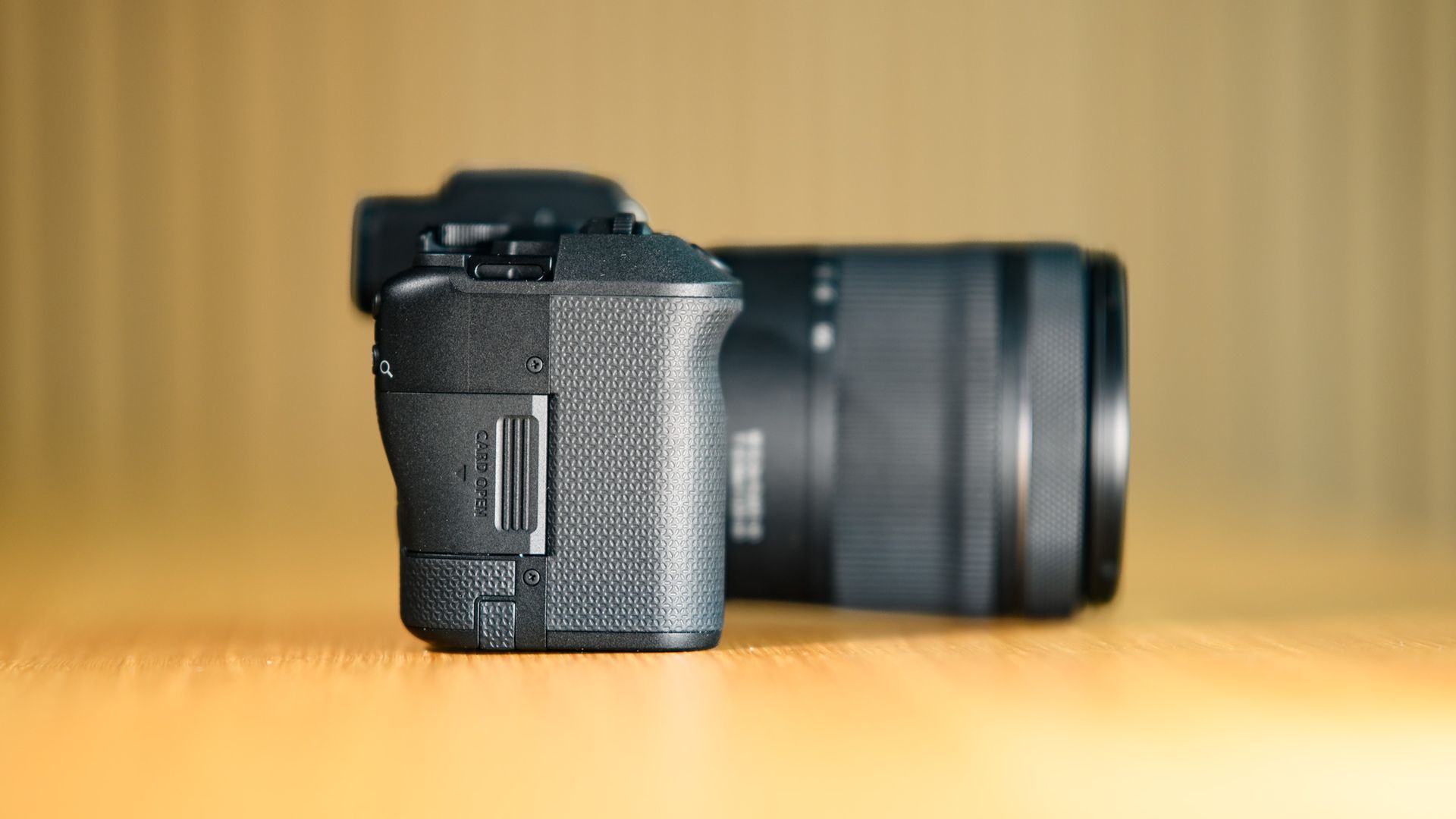
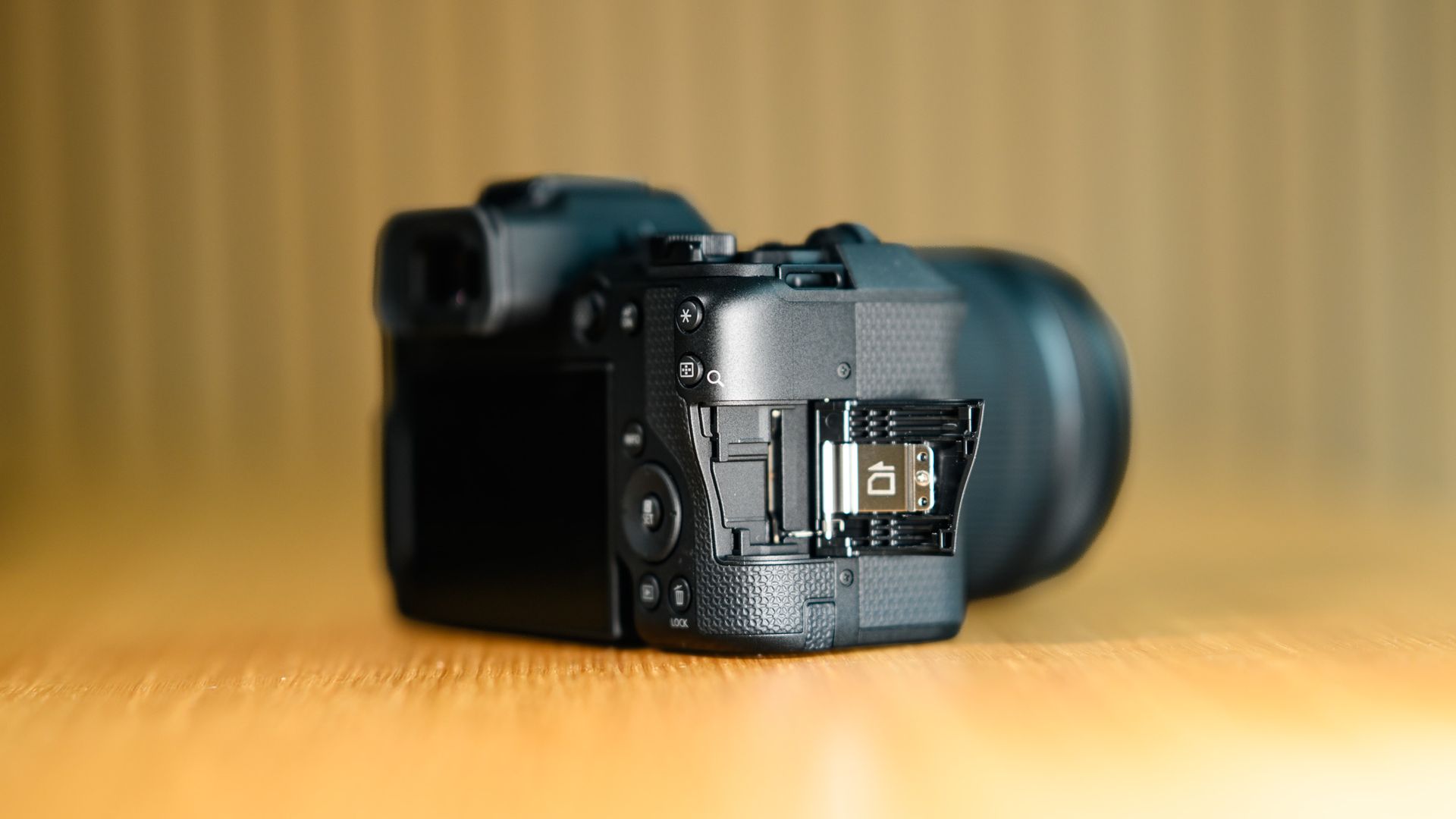
A tally lamp has been added to indicate when video recording is active, while the single SD card slot has been relocated to a dedicated door on the grip-side of the camera, whereas in the EOS R8 it was found behind the same door as the battery on the underside.
Sadly, Canon hasn’t used the space saved in the battery compartment (and deeper handgrip) to fit in a larger-capacity battery. The EOS R8 Mark II uses the same battery as its predecessor — shot life was already a major weak point — and has an even lower battery life when the power-hungry image stabilization feature is active, being rated at 220 shots when using the viewfinder (or 340 shots with the LCD).
Nor has the quality of the body been improved — Canon notes that the EOS R8 Mark II’s body materials are part aluminum alloy, part polycarbonate, and it’s not weather resistant. The controls, and the build quality, really do feel entry-level.
The 3.0-inch 1.62m-dot vari-angle LCD and 0.39-inch 2.36m-dot EVF displays are unchanged from the EOS R8, and look fairly dated when you compare them to the Nikon Z5 II’s displays.
Canon EOS R8 Mark II: Performance
- 24.2MP full-frame sensor now equipped with 7.5EV image stabilization
- Digic X processor unique to the camera, 40fps burst shooting
- 4K video up to 60fps, oversampled from 6K, plus 1080p up to 180fps
The addition of in-body image stabilization (IBIS) is the major upgrade offered by the EOS R8 Mark II, and its effectiveness is rated up to 7.5EV. This feature makes life simpler shooting handheld in many scenarios — whether that’s for sharp images in low light or with telephoto lenses, creative long-exposure shots, or run-and-gun video.
The sensor that incorporates the IBIS is otherwise the same as the one in the EOS R8 — a full-frame 24.2MP CMOS unit which is a decent all-purpose sensor. Nothing too exciting in 2026, but dependable.
Maximum burst-shooting speeds are once again up to 40fps, using the electronic shutter. Not that there’s a choice — if you didn’t already know it, the EOS R8 Mark II, like its predecessor, doesn’t have a mechanical shutter.
Canon has added Pre-Continuous Shooting (more widely known as pre-capture) to the EOS R8 Mark II. In short, the camera is able to continually buffer up to 0.5 seconds while the shutter is half pressed, before the user fully presses the button to take photos. In this case, you get up to 20 photos spanning the half-second before you start photos — it’s a really useful feature for wildlife and action photography, for when your reactions aren’t otherwise up to speed. The feature was introduced in the EOS R5 Mark II, and the EOS R8 Mark II is the first Canon at this price point to get it.
Video recording has been improved in several ways. First of all, 4K footage is oversampled from 6K, so it should look sharper. Secondly, 4K frame rates have been upped to 60fps, while 1080p goes up to 180fps — that’s 6x slow motion. Thirdly, there’s the aforementioned IBIS, which makes smooth handheld shooting all the more possible. And then there are additional color profiles to choose from, including ‘filmtone’ looks and other picture styles which can be added using the Canon EOS Utility app.
Canon has also added a new ‘defocus’ feature, which can add a creative blur effect (not aperture dependent), and alter the speed of focus transitions. I haven’t had the time yet to test any of the EOS R8 Mark II’s video features, but I will do for my upcoming in-depth review.
Dual Pixel CMOS AF II powers the camera’s autofocus, which like before includes subject detection of people, animals and vehicles, but which Canon says offers an improved performance. For example, the camera’s focus sensitivity in low light has been improved, being rated to -7.5EV.
‘Register People Priority’ is a neat addition — users can select specific people’s faces, storing up to 10 people for the camera to prioritize. It’s a handy feature for scenarios like a wedding, where you might want to keep the bride and groom in sharp focus among a sea of faces.


Canon EOS R8 Mark II: also consider
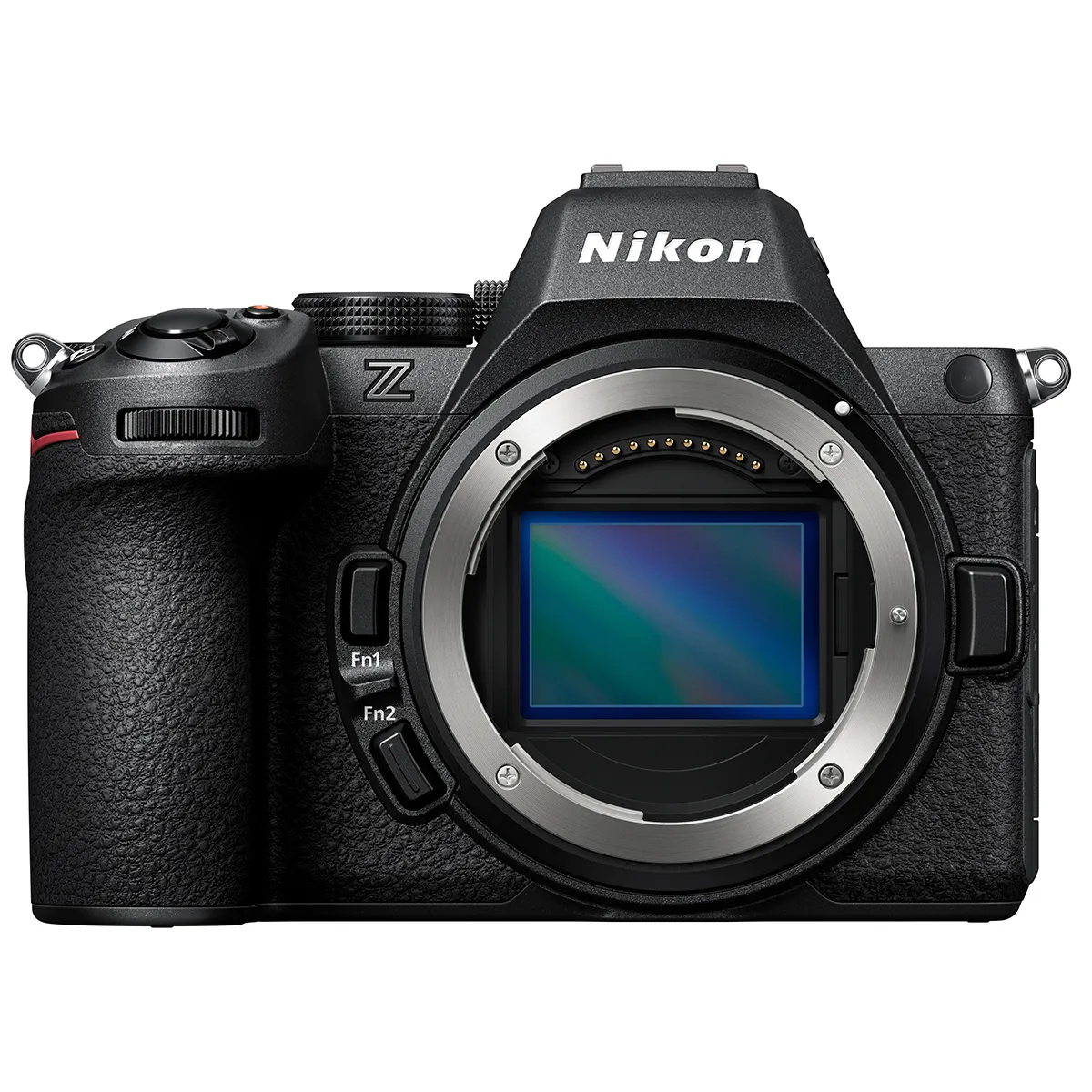
Nikon Z5 II
Nikon redefined what entry-level full-frame mirrorless cameras can do with its Z5 II. And despite costing less than the EOS R8 Mark II, it looks like the better camera overall. It also has a stabilized 24MP full-frame sensor, but its weather-resistant body has a magnesium alloy chassis, while its displays are superior, despite the camera coming more than a year earlier. If you’re not tied to Canon, Nikon’s Z5 II looks like the pick of the two cameras.
Read our in-depth Nikon Z5 II review
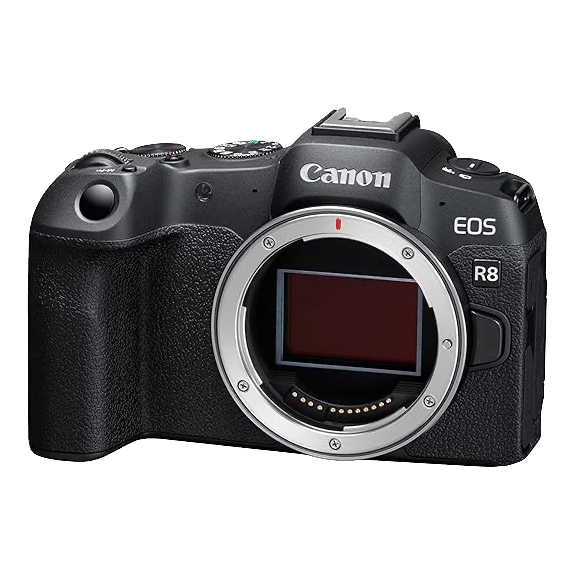
Canon EOS R8
Canon says the origial EOS R8 will remain on sale after the EOS R8 Mark II hits stores. The two cameras share the same 24MP full-frame sensor, burst-shooting speeds and displays, while the Mark II adds IBIS, a multi-controller, new design and more. The price of the EOS R8 has fallen since launch, so it’s the more cost-effective option if you can live without the upgrades.
Read our in-depth Canon EOS R8 review
How I tested the Canon EOS R8 Mark II
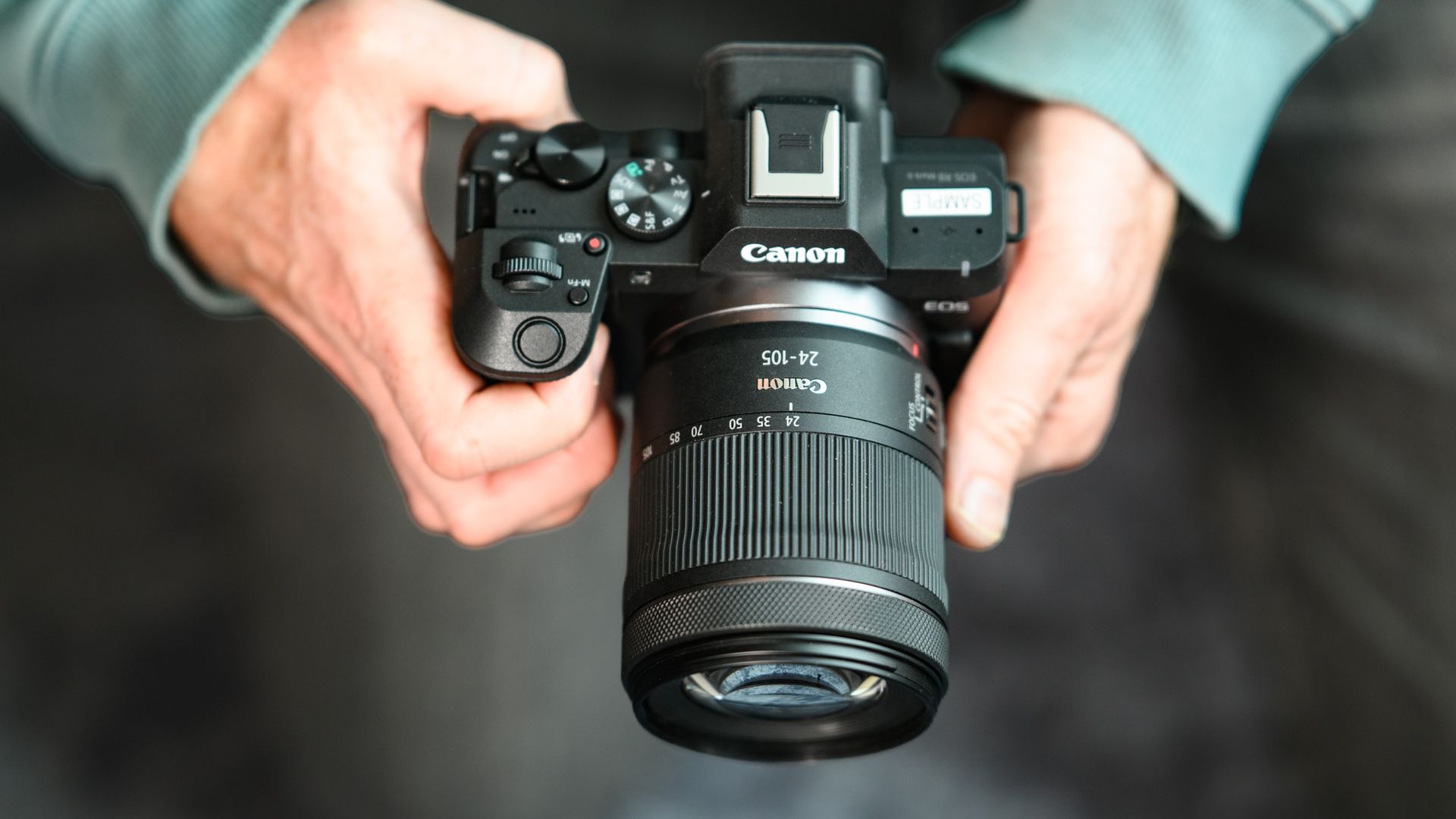
- I had a two hour hands-on session with the camera and kit lens
- I spent the time getting a feel for the camera, and took some sample photos
- Canon provided the EOS R8 and EOS R6 Mark III for comparisons
I’ve only used the EOS R8 Mark II for a couple of hours at Canon Europe’s offices in London. During this time, I got a proper feel for the camera, and paired it with the 24-105mm F4-7.1 IS STM lens that the camera is available with in a kit.
Canon supplied me with the original EOS R8 and EOS R6 Mark III, so I was able to make direct comparisons between the three cameras, though only how they handle — I didn’t have time to take like-for-like pictures.
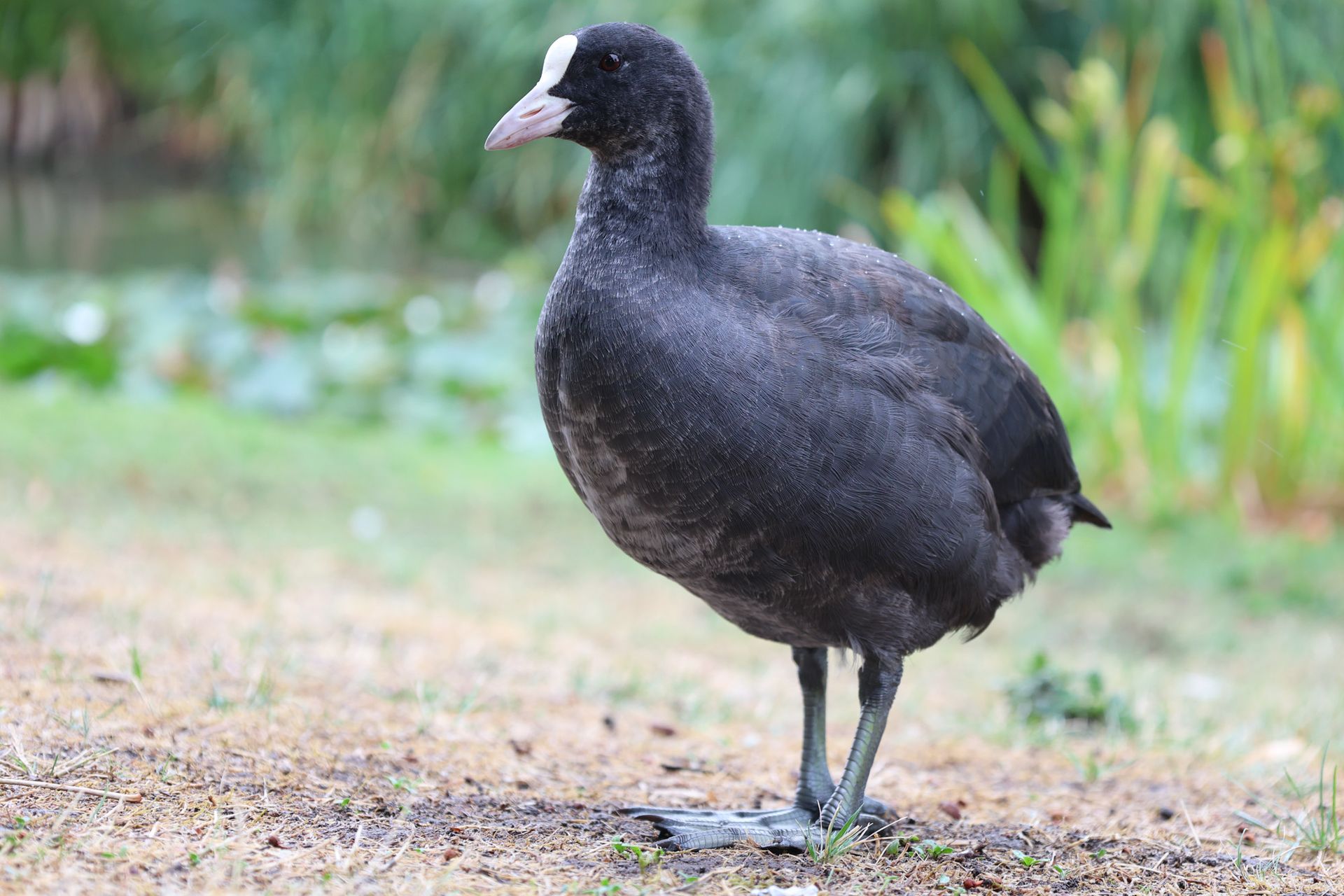
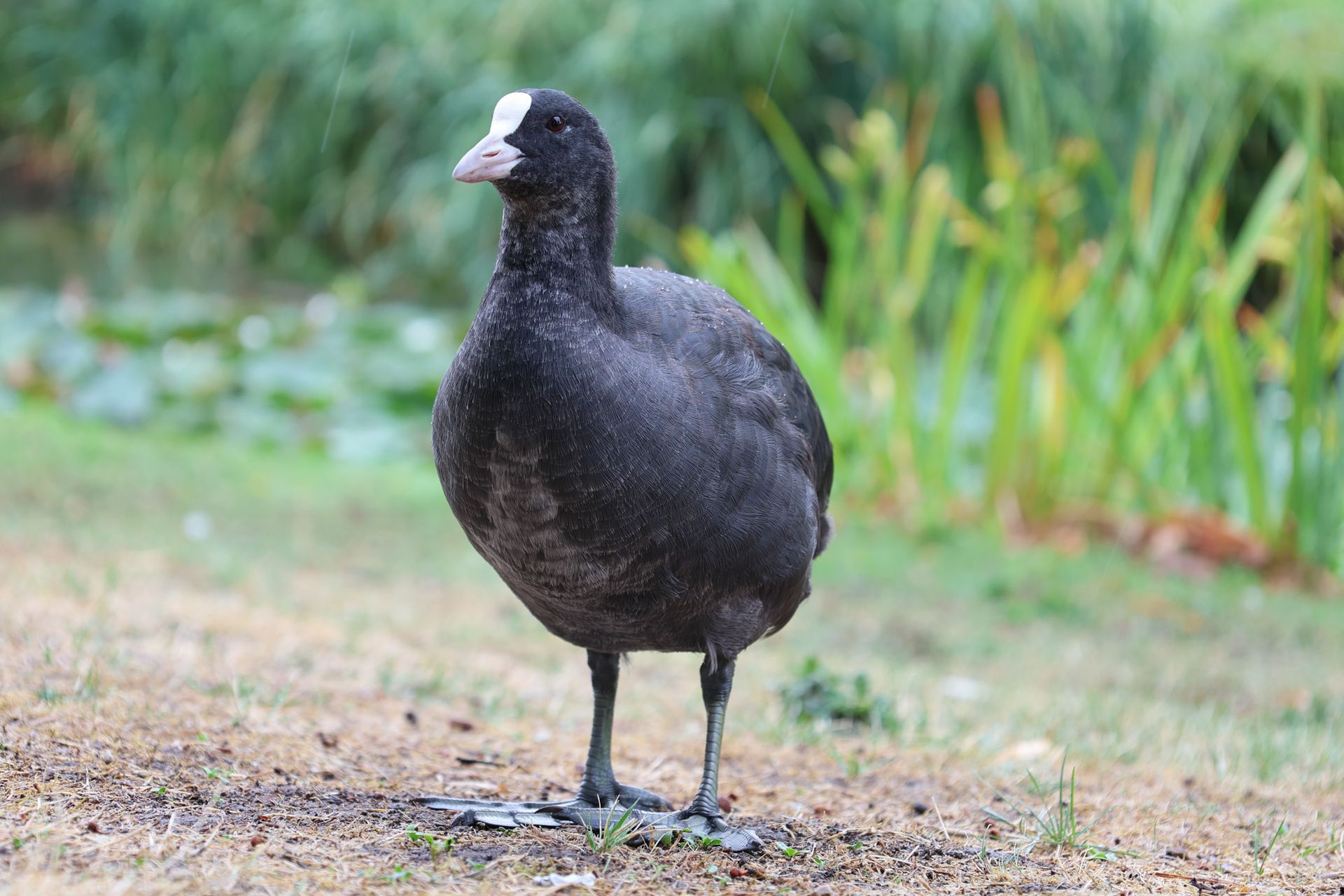
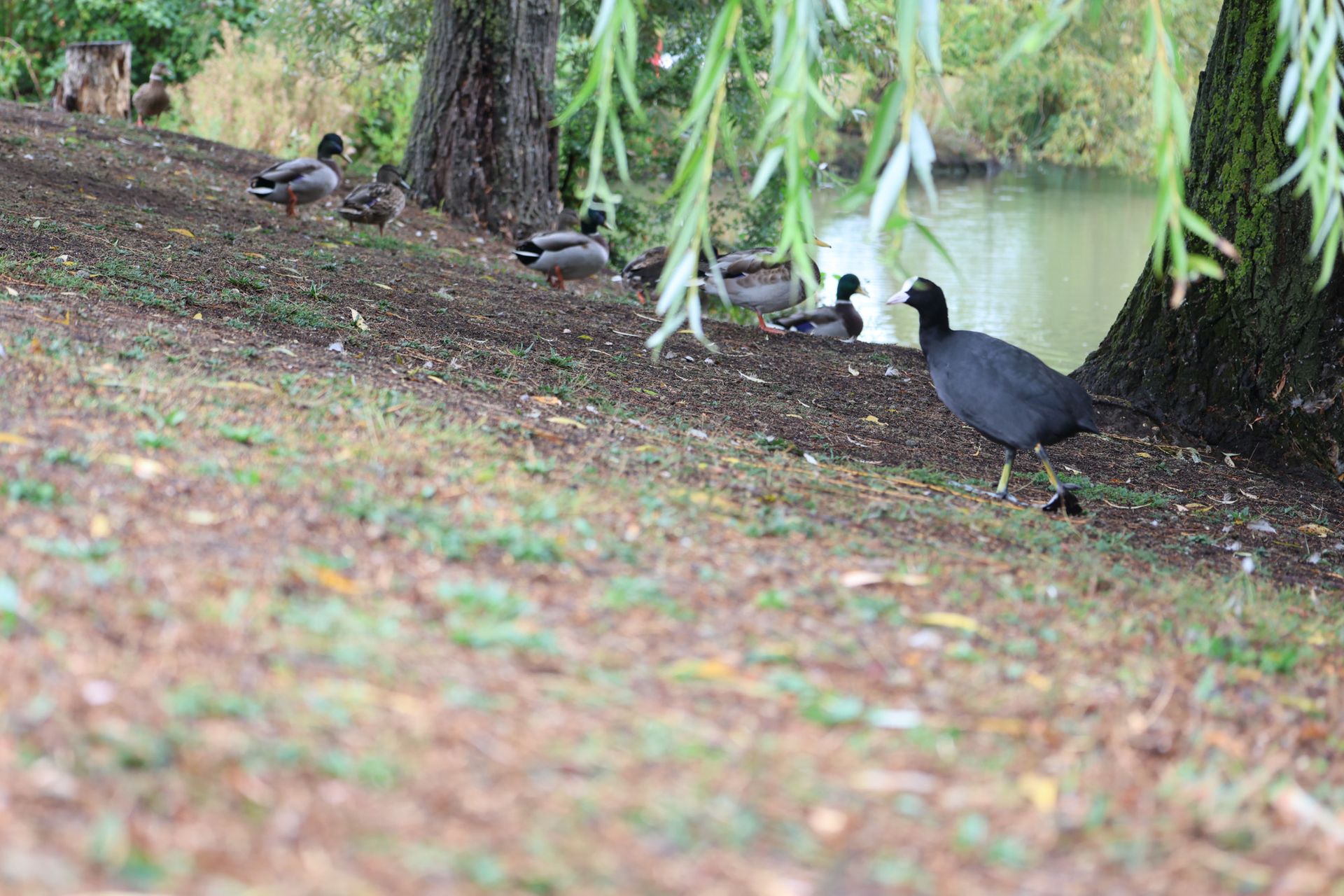
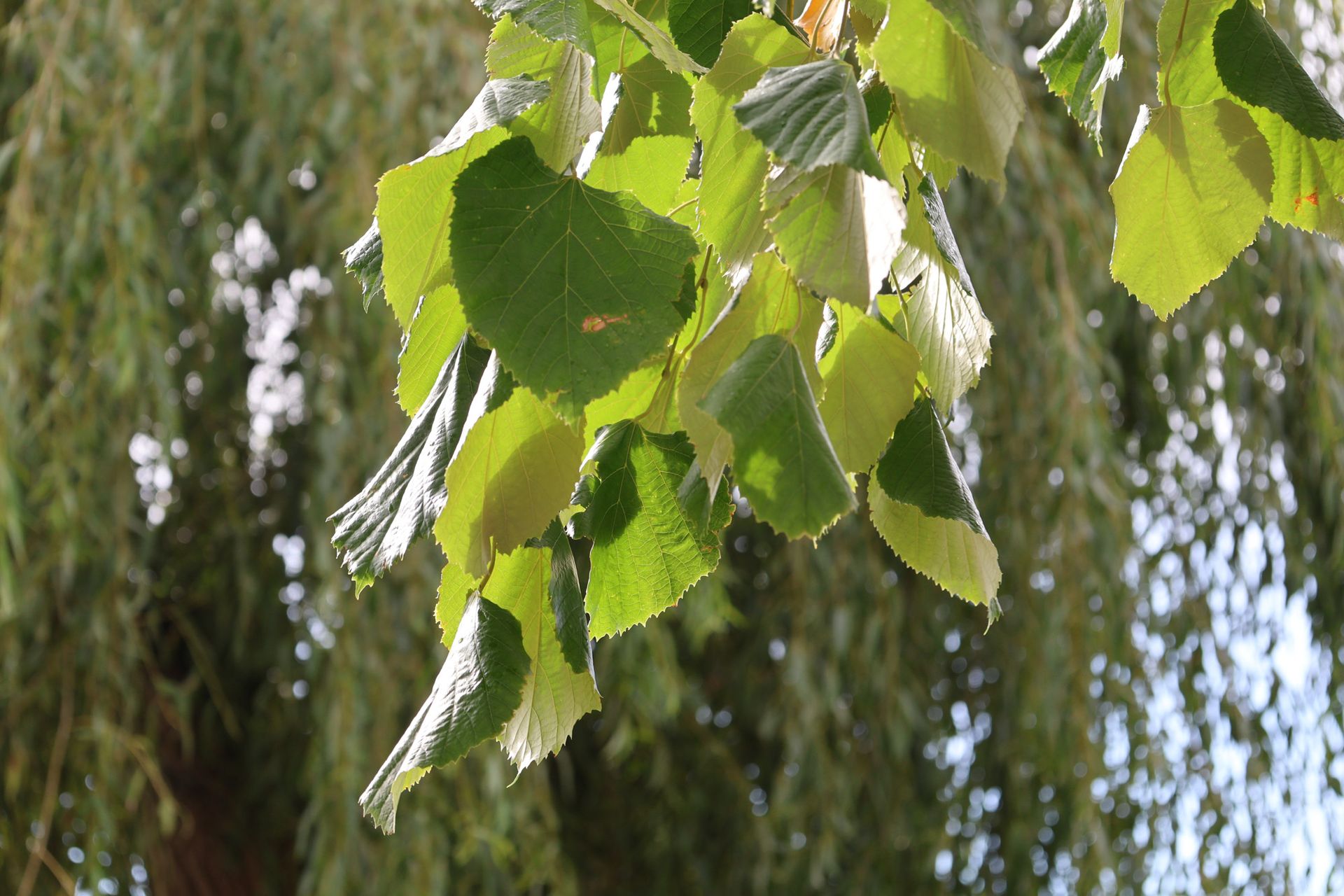
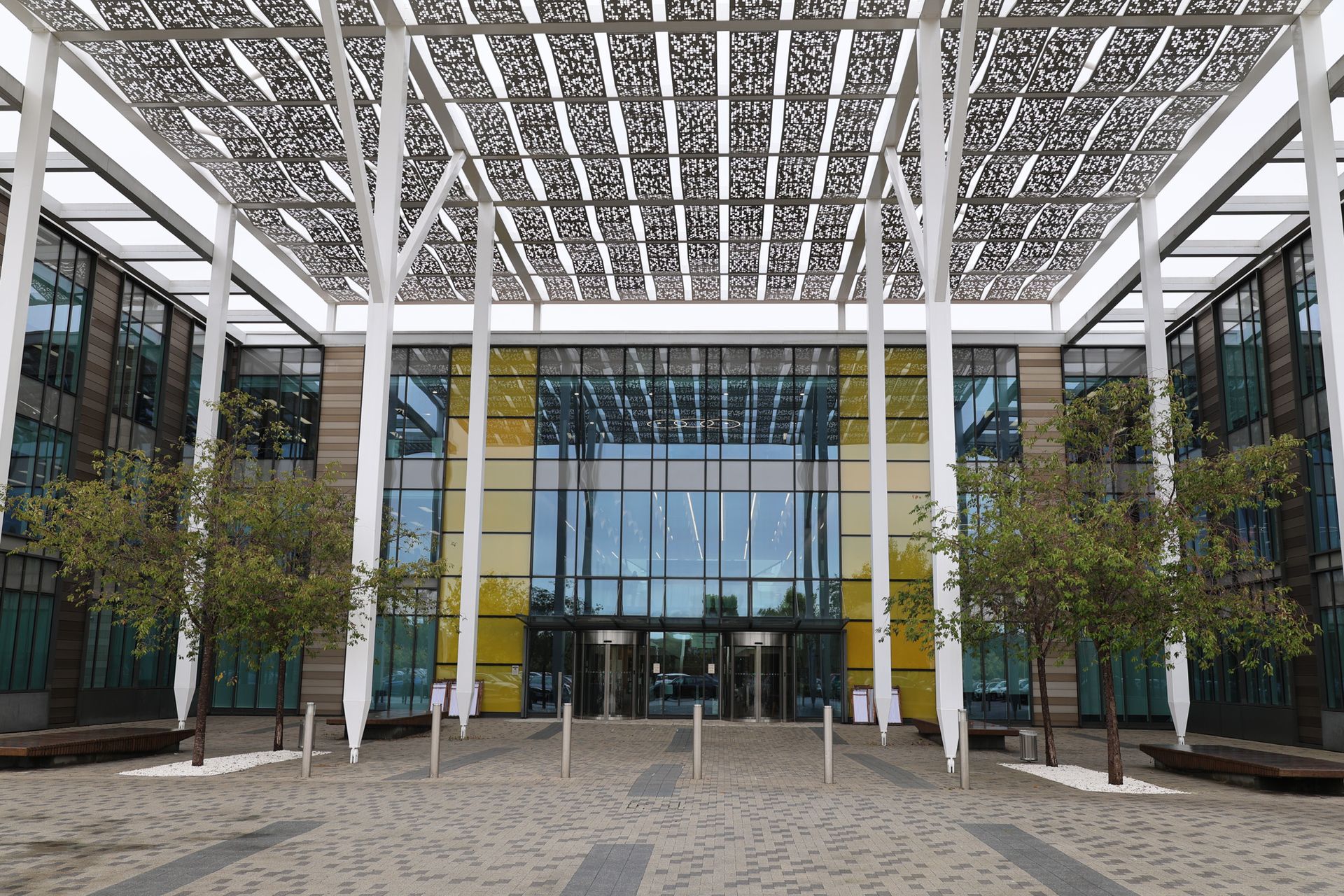
I took a stroll in the outside space, and took various photos of birdlife, foliage and buildings. Look out for our in-depth review of the EOS R8 Mark II, coming soon.
- First reviewed: September 2026
- Read more about how we test
This articles is written by : Fady Askharoun Samy Askharoun
All Rights Reserved to Amznusa www.amznusa.com
Why Amznusa?
AMZNUSA is a dynamic website that focuses on three primary categories: Technology, e-commerce and cryptocurrency news. It provides users with the latest updates and insights into online retail trends and the rapidly evolving world of digital currencies, helping visitors stay informed about both markets.
