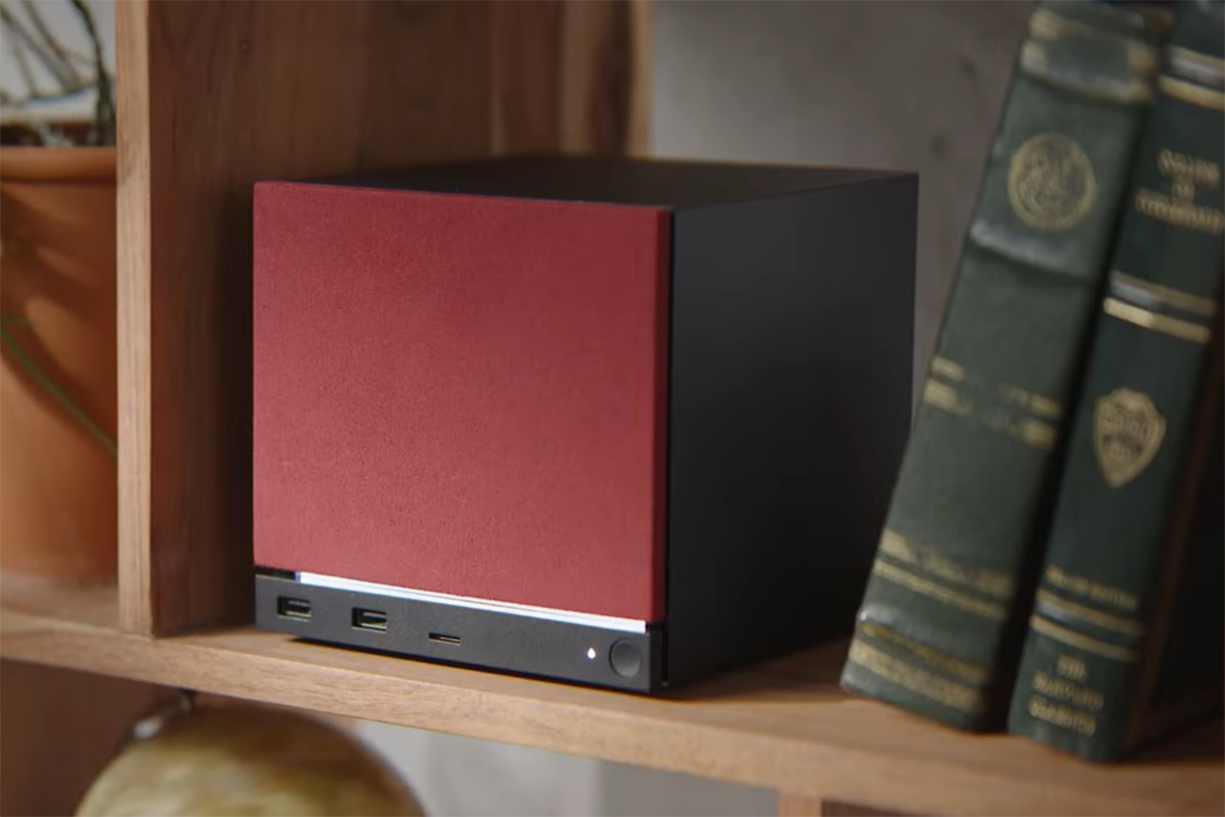
Would you rent or lease PC? I never entertained the thought before.
This idea springs from new attention on Sony’s partnership with a UK tech shop for PlayStation 5 rentals. These leases will be available as a continuous rental or 12, 24, or 36 month terms, and function similar to car leases. You pay to borrow the console, and then have to give it back at the end. (Or contact Raylo, the UK partner, to discuss buyout options.)
Welcome to The Full Nerd newsletter—your weekly dose of hardware talk from the enthusiasts at PCWorld. Missed the surprising topics on our YouTube show or latest news from across the web? You’re in the right place.
Want this newsletter to come directly to your inbox? Sign up on our website!
When I first thought about this initiative as applied to PC—let’s say, renting a Dell or HP box, or even something from a smaller vendor or boutique builder, like NZXT or iBuyPower—I hated it. For about the last decade, we’ve enjoyed a golden era in home computing, with incredibly high performance from (mostly) affordable components. For pretty much any situation, you could stuff in what you needed at far cheaper prices than ever before, in highly tailored ways. All the way down to the aesthetics, even.
And you owned all of it. It’s one thing to rent digital media and never own any. But only borrowing a physical object that I put personal information into (or store personal information on)? No thanks.
Then I had a second thought, and very unexpectedly, I had a 180 on the idea. What if leasing could save the Steam Machine from another failed launch?
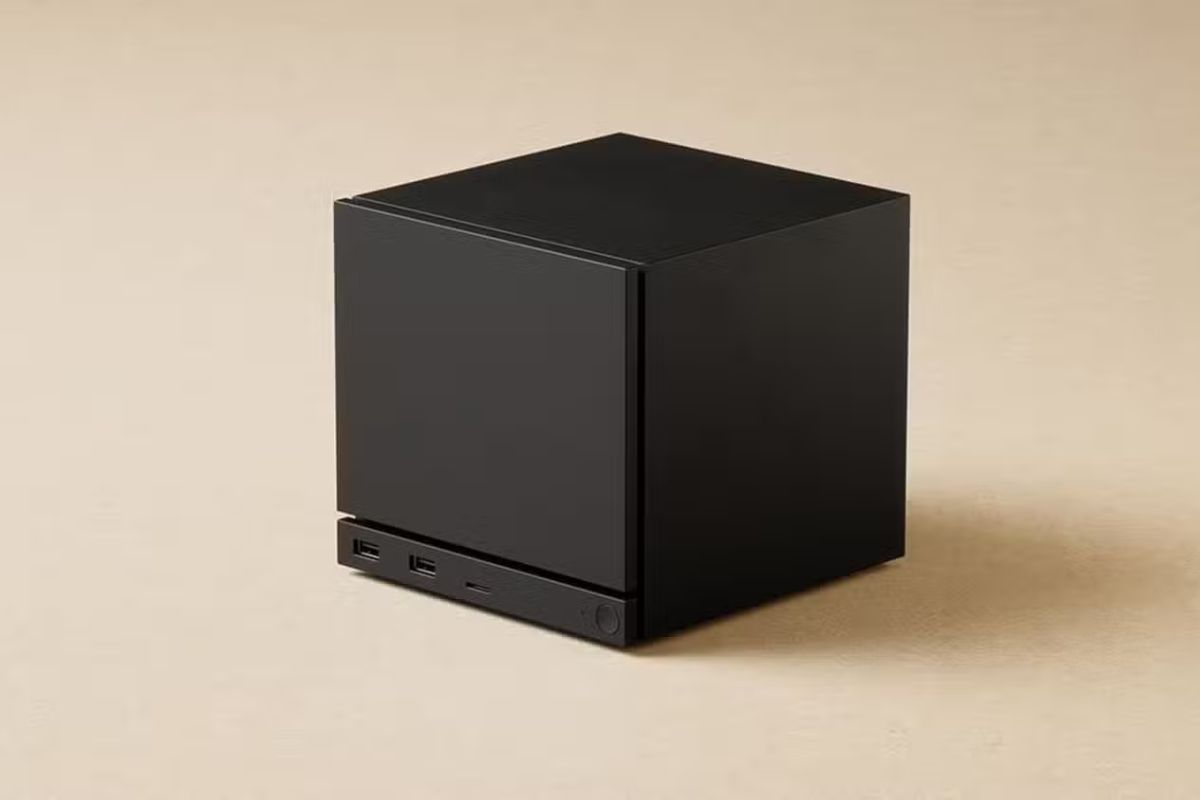
Ultimately, the Steam Machine v2 is a gaming console, just one with a PC-style operating system. If you treat it as such, it’s more of a tool to get something done. Very little personal data would get stored on it. Saves are synced with the cloud. Games can be redownloaded.
Valve
Pricing dangles over the Steam Machine like a sword waiting to drop. Memory and storage costs have exploded; Valve has relatively weaker ability to compete with Dell, Acer, Lenovo, HP, Asus, and other such giant vendors to negotiate favorable contracts. Not enough demand exists yet to help offset costs through scale—this is a gaming console designed to create demand.
Meanwhile, economic uncertainty and higher cost of living have caused many to pull back on discretionary spending. Certainly, some enthusiasts are still in a position to afford fun new toys. But others will end up watching from the sidelines as opposed to investing in the new hardware.
In that scenario, where the only choice is to buy, it seems possible that the Steam Machine could fail to get the adoption and traction to take off—just as it did the first time around.
But with an option to lease? That could open up far more of an audience. Take me as the example. I wouldn’t buy a $800 to $1,200 gaming console. But I might spend a hundred-plus to rent one for a year, just to see how I like it.
Demand for gaming consoles took off in part because we saw them in other people’s homes. You could go hands-on while hanging out. Folks then talked about them. It created buzz.
Of course, I have no idea if this would make sense financially. But the way I see it, Valve needs to capture people’s attention for the Steam Machine v2 to take off. And having the consoles in living rooms would solidify or even expand use of Steam. With a possible delay coming for next-gen traditional gaming consoles, there is a window where Valve could lure console gamers over to PC gaming…and to make Steam their platform of choice.
I can’t say this is the craziest idea I’ve had, but I do wonder what other people think on this front. Drop me a line.
In this episode of The Full Nerd
In this episode of The Full Nerd, Adam Patrick Murray, Brad Chacos, Alaina Yee, and Will Smith answer your many questions (and some that come from within). In addition to touching on the Steam Deck going out of stock, we cover a boatload of other topics, some more granular than others. (I got to grump out over Discord’s age verification policy at length.)
We also show off one of Willis’ last side projects, Outrage Pony red envelopes for Lunar New Year! And I get to mention my favorite clip from a Netflix comedy special yet again.

Alex Esteves / Foundry
Missed our live show? Subscribe now to The Full Nerd Network YouTube channel, and activate notifications. We also answer viewer questions in real time!
Don’t miss out on our NEW shows too—you can catch episodes of Dual Boot Diaries and The Full Nerd: Extra Edition on our channel as well. PLUS: Adam says episode zero for his new joint endeavor with Retro Gaming Corps is imminent…
And if you need more hardware talk during the rest of the week, come join our Discord community—it’s full of cool, laid-back nerds.
This week’s wholesale nerd news
After a long quiet period, interesting blurbs keep spilling into my inbox. This time around, I took a warehouse shopping approach—just grabbed all the good stuff in bulk. Science in particular caught my attention: nifty experiments with audio signal transmission, fresh insight into what Mars was like billions of years ago, and ways to store heat for future use.
(But also, loosely related, I couldn’t resist a nifty cooking tip for the meat lovers out there.)
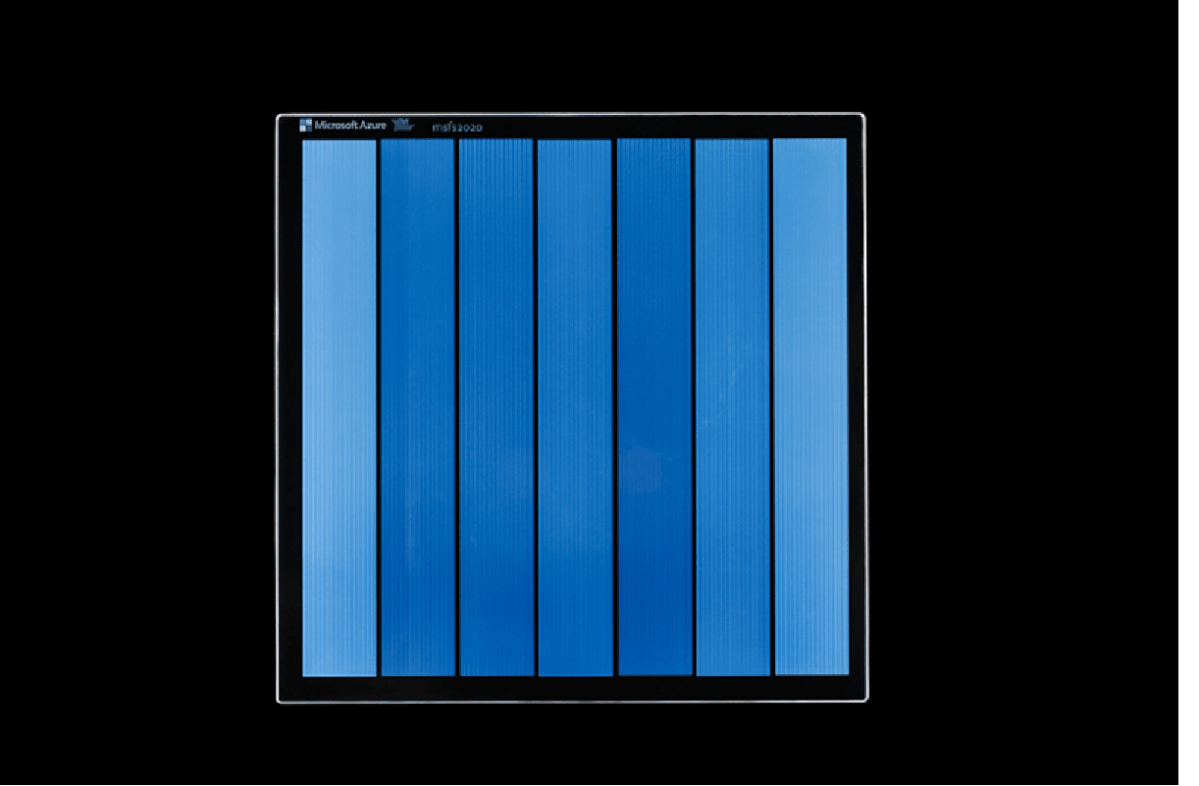
As for tech? Microsoft says it can store data for up to 10 millennia on glass.
Microsoft
- That’s kind of neat: Microsoft says it may have a way to etch data into glass for ultra-long term storage. But at the same time, what truly is worth preserving up to 10,000 years from now? (Maybe nyancat, I guess.)
- Sounds more fitting: The planet named for the god of war wasn’t always what it is now. Billions of years ago, it was warm and wet, according to a study published in Nature.
- Block everything: As best I can tell, uBlock Origin and Disconnect’s extensions can help block invasive tracking pixels like this TikTok nightmare.
- Happy birthday, ENIAC: One of the ground-breaking forebears of modern computing turns 80 today. How far we’ve come. And also how far we have to go, because back then, the 1,000x performance jump still involved careful verification. (Looking at you, AI.)
- Train your brain: This exercise for your brain could help cut dementia risk. I’m all for it—feeling my own gray matter blip on occasion while seeing my possible future in older generations is grim, man.
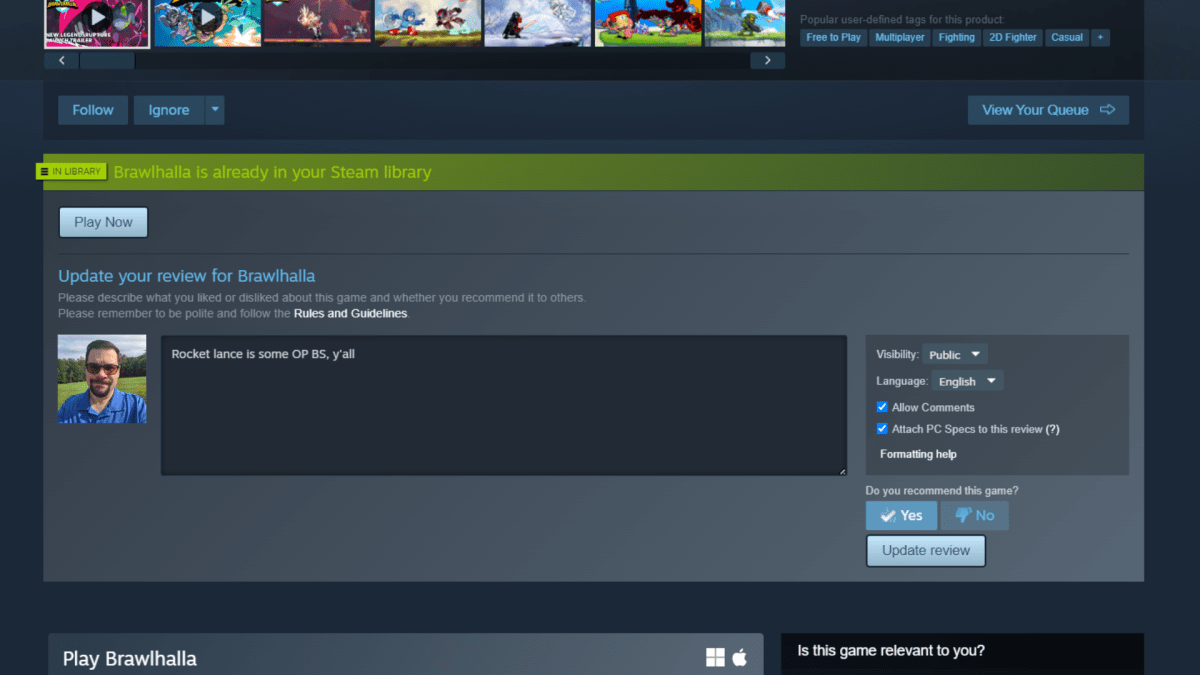
- Yes, Steam. More of this: Because adding your PC specs to game reviews on Steam is voluntary, I like how this UI update allows easy sharing of helpful troubleshooting info.
Valve
- Why not…be more efficient? Anthropic says it’ll pay for expansions to electrical grid infrastructure, but also warns that the AI sector could need as much as 50 gigawatts of capacity to power new models in the near future.
- Dystopia (momentarily) halted: Amazon and Flock’s partnership to allow law enforcement access to video footage from Ring cameras has been paused for now. So has Ring’s “Familiar Faces” technology, which would use facial recognition for humans.
- Always double tap: Apparently, Zombieland’s guiding rule for survival applies to making sure your SSD is later unreadable.
- Baaaaacon: I always love new ways to make cooking easier. (Learning the science behind how best to heat a stainless steel pan was rad, for example.) This is a way to cook a whole pack of bacon faster and with fewer painful oil splashes—I can’t wait to try it.
- Fortnite security lockout? Nope, not yet. Unless you’re playing in tournaments, you won’t need to worry about Secure Boot and TPM requirements.
- It was time: Much respect to Firefox for allowing extended use of its browser on Windows 7 and 8 for so long—it helped with a couple of transitions I had to navigate for older PCs. But yeah, it’s time to let go.
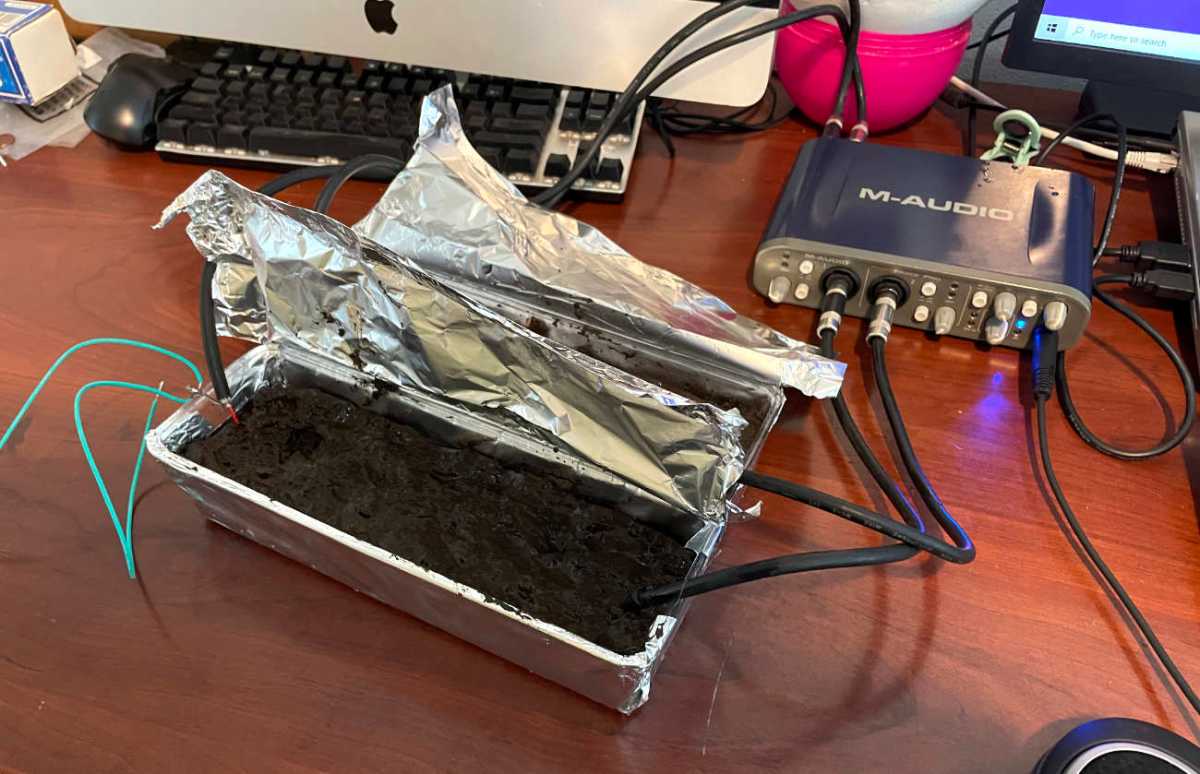
This experiment adds a whole new angle to the phrase “clear as mud.”
- Adam, you game? I kind of want to see how he’d rate these different conduits for audio signals. Copper wire vs. banana vs. wet mud sounds like quite the showdown, especially since mud apparently doesn’t sound as bad as you’d think.
- Hard no: A Copilot bug allowed AI to peruse confidential email it was supposed to ignore. Remind me why are we paying to be alpha testers, again?
- Cool, so then what? Microsoft’s top AI exec says that in 12 to 18 months, all white-collar workers’ “human-level performance” will be replaceable with AI. This, from the same company that used AI in up to 30 percent of its code, and now is pledging to clean up Windows 11’s issues.
- Routers are next: Anything with memory is about to get hit with higher prices…and that includes routers, unfortunately. If you were planning to upgrade, consider doing it sooner rather than later.
- Privacy nightmare: I respect this engineer fixing his smart sleep mask, but why is no one hollering about the idea of a rando being able to set off electrical impulses in other users’ masks?
- Science is cool: Well, in this case, warm. University researchers have found a breakthrough for storing heat from solar energy in molecular batteries—a concept that’s waited ages for traction.
San Francisco has been suffering a cold snap—something that feels a little funny to mention, given how chilly it is in other climates. But I’ve been at my desk with my thermometer showing 58°F (14.4°C), and after my east-coast colleague Mike Crider assured us west coasters that our homes are indeed built without adequate insulation, I feel better voicing this.
Mostly I just want to recommend electric blankets to everyone. These things are magic. Also terrifying to keep clean.
Catch you all next week!
Alaina
This newsletter is dedicated to the memory of Gordon Mah Ung, founder and host of The Full Nerd, and executive editor of hardware at PCWorld.
This articles is written by : Fady Askharoun Samy Askharoun
All Rights Reserved to Amznusa www.amznusa.com
Why Amznusa?
AMZNUSA is a dynamic website that focuses on three primary categories: Technology, e-commerce and cryptocurrency news. It provides users with the latest updates and insights into online retail trends and the rapidly evolving world of digital currencies, helping visitors stay informed about both markets.
