A lot can change in a year—and PC building sure took unexpected directions since I launched this newsletter in May 2025.
Back then, tariffs were the big crisis. They spread uncertainty throughout the PC industry, with no one knowing how they would shake out. (Much less if they would be ruled as legal.) For us enthusiasts, we wondered if their implementation would kill off parts of the PC industry. Looking back, that unease almost feels idyllic.
Welcome to The Full Nerd newsletter—your weekly dose of hardware talk from the enthusiasts at PCWorld. Missed the surprising topics on our YouTube show or latest news from across the web? You’re in the right place.
Want this newsletter to come directly to your inbox? Sign up on our website!
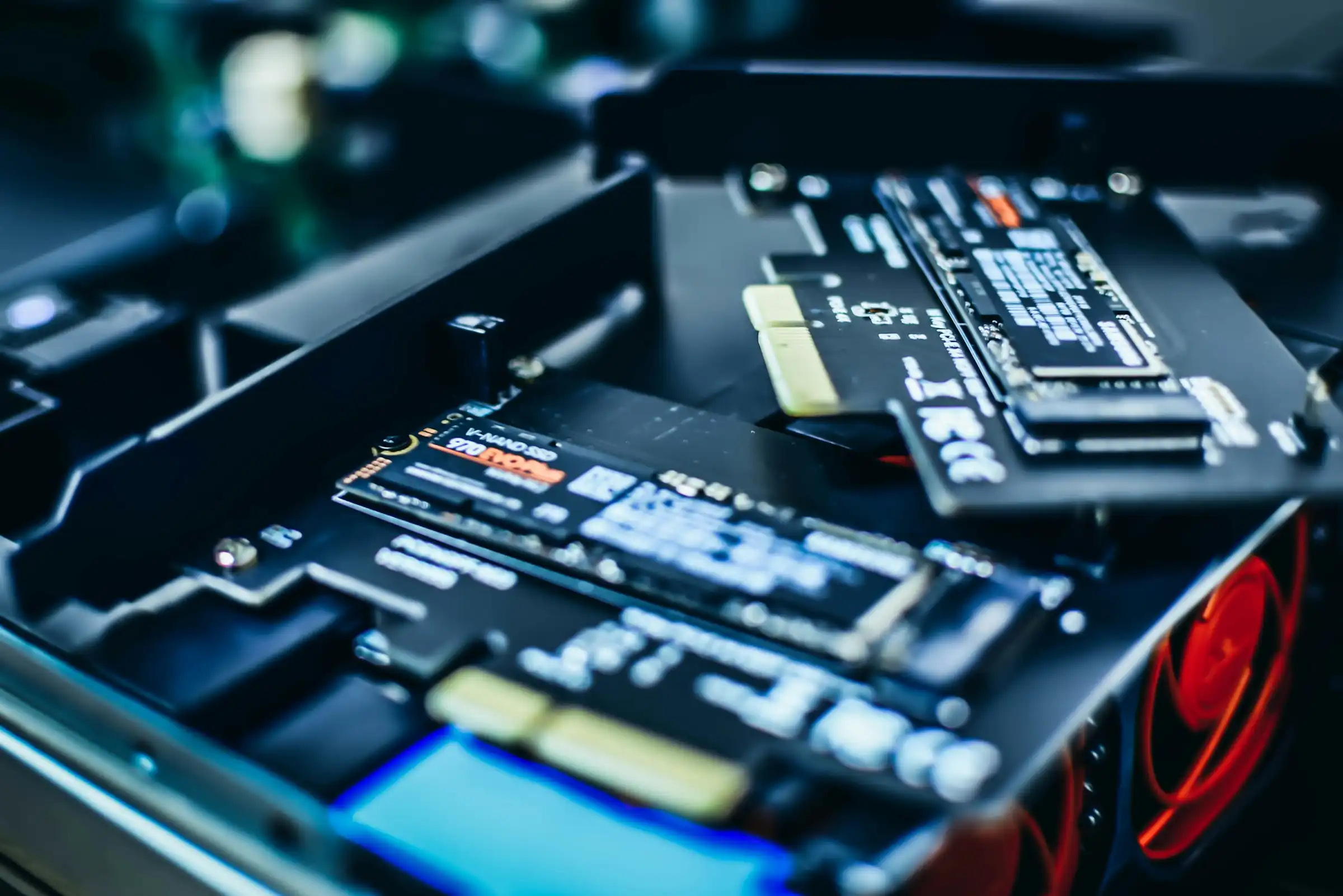
The actual disaster came from somewhere else all together. The AI boom steamrolled right over consumer PCs—data center hunger for memory and storage made once-easy upgrades into astronomically priced luxuries. In May 2025, you could get 32GB DDR5-6000 RAM for $80 on sale (and yes, two DIMMs). Now, a year later, the best deals you can find require buying a bundle (like this $500 X870 mobo + 32GB DDR5-6000 combo). Paying for just the RAM alone will already set you back between $400 to $450.
But this RAM-apocalypse isn’t the craziest thing to have happened. It casts the widest pall over PC building, but the seemingly impossible has happened multiple times over the past 12 months. I mean, no one really envisioned:
- Intel and Nvidia allying themselves
- Valve announcing a new Steam Machine and Steam Controller
- Crucial’s abrupt death
- DDR3 RAM becoming relevant again
- An affordable MacBook
- AMD finally making a dual 3D V-Cache processor
Looking at my initial thoughts on PC building in 2025, they seem downright unimaginative. I poked at ATX’s longevity, wondered when PC case design would actually evolve, and suggested benchmarking was due for a revolution. So what comes next? Honestly, I’m almost afraid to ask. (I’m hesitant to tempt fate further.) But if I had to take a stab at it—the clues live in current news.
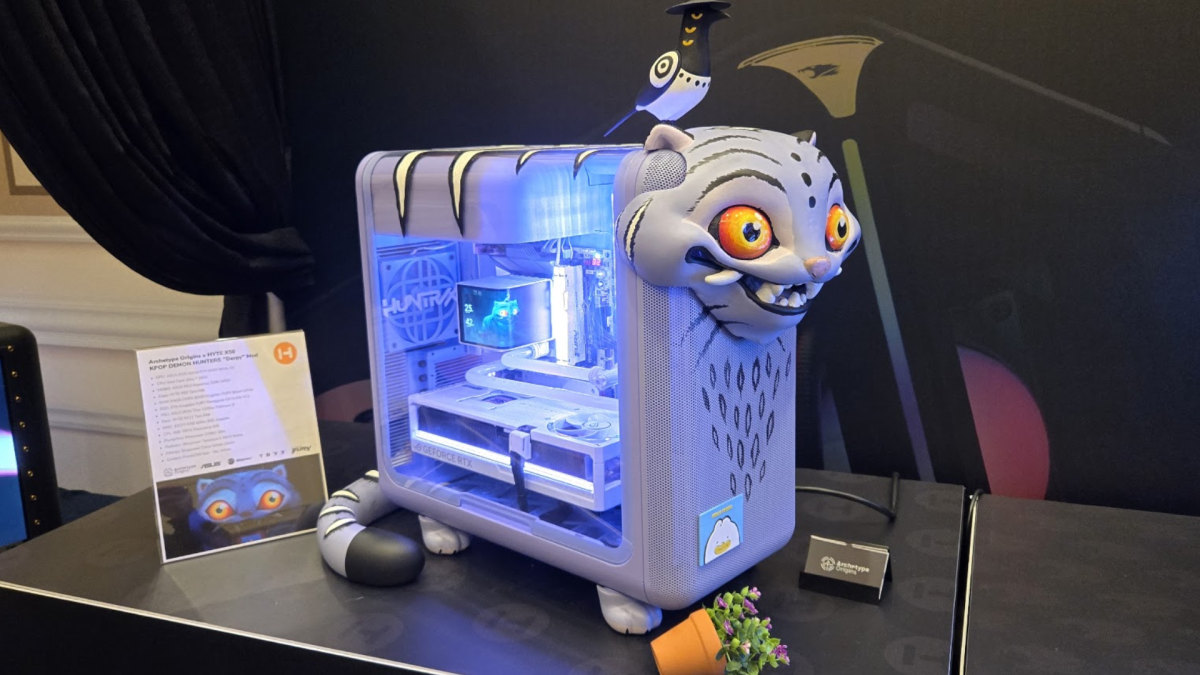
These days, pondering case design feels like an extreme luxury.
Michael Crider / Foundry
Innovation is still happening in PCs. Software obviously has become more important in determining the useful lifespan of hardware, as Nvidia’s signaled with its push into AI-driven enhancements. But hardware hasn’t stopped yet, just slowed. In addition to Intel’s Nova Lake CPUs, we may be able to expect another AMD Radeon 9000 graphics card for desktop later in 2026. And rumors swirl around an Nvidia CPU launch for laptops, plus a possible, pre-emptive counterpunch from AMD.
You can also expect more from the stuff we plug our computers into—mice, keyboards, monitors—likely far more thrills than computer components. In fact, displays feel hot, in a vein similar to CPU and GPU launches of recent yesteryear. Nobody asked for a bonkers 1,000Hz monitor, but LG’s shipping one later this year. Alienware just upped and dropped a 1440p 27-inch OLED monitor for $350. And you can still find great deals on monitors at least once or twice a week. (Like this 39-inch LG OLED ultrawide, which hit a sales price of $770 just earlier this month.)
Change is also brewing in the broader ecosystem around PCs. Windows 11 has notoriously taken a nose-dive in quality in the past year or two, and combined with the final swan song for Windows 10, Linux has suddenly started shining like a beacon on a hill. Can we attribute Microsoft’s pledge to clean up Windows 11’s act to the interest in a free, open-source alternative? Maybe not directly, but if software companies end up taking cues from the open-source community, the effort to examine problems in public (rather than keeping them private) might be the winning formula to improve our daily quality of life with tech.
And if nothing comes to pass—if everything as we know it burns to the ground—I think the kids will make sure we come out all right.
It’s been a wild, chaotic year. I’m grateful to have had you alongside me while I chronicled it from my perspective. Here’s to the next year of watching where PC building goes next. It likely won’t look the same as before—but such is the nature of chasing the wind.
In this episode of The Full Nerd
In this episode of The Full Nerd, Adam Patrick Murray, Alaina Yee, Will Smith, and Ben Patterson talk about good uses of AI for nerds (no really), FSR 4.1 support for RDNA 3 and RDNA 2 Radeon graphics cards, and Sony slamming the door in PC gamers’ faces once more. I’m in agreement with Will—I hope we get to keep cross-play and cross-platform saves even in a once-again fractured gaming world.
Also, get hyped—Episode 400 is just around the corner! (We’re busy cooking up plans for this double-milestone event, don’t you worry.)
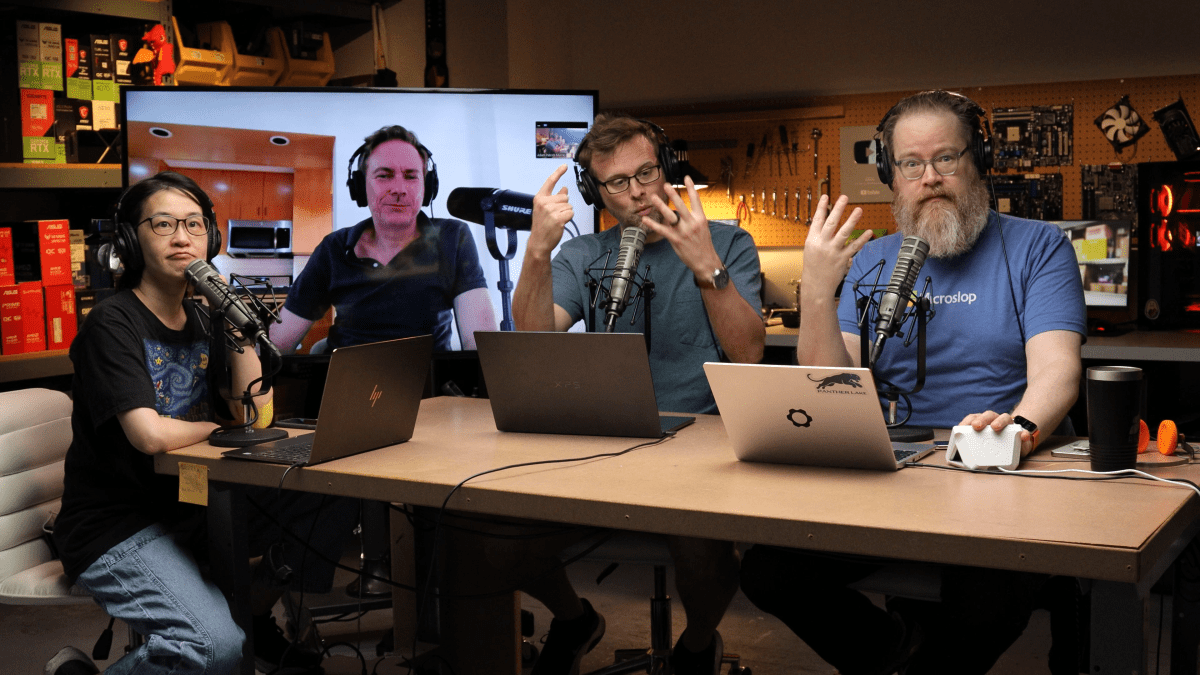
PCWorld
Missed our live show? Subscribe now to The Full Nerd Network YouTube channel, and activate notifications. We also answer viewer questions in real time!
Don’t miss out on our other shows too—you can catch episodes of Dual Boot Diaries, The Full Nerd: Extra Edition, and Expedition: Handheld through our channel!
And if you need more hardware talk during the rest of the week, come join our Discord community—it’s full of cool, laid-back nerds.
This week’s assorted nerd news
Hardware news is slim right now, but I still found myself smiling here and there. Well. Maybe more like a snort-laugh here and there, particularly at the idea of spending as much on RAM as a flagship mobile phone. And the human ability to turn normally nasty behavior into a quirky, off-beat response to annoying bots.
- Oof, $800 RAM: Asus’s foray into selling memory costs a pretty, pretty penny. (In fairness, the DIMMs look nice, but…)
- Flipped around: AMD continues to eat into Intel’s share of the CPU market. A few more percentage points and it’ll hold a majority of the server market. (It’ll need a bit more to wrest control of the consumer market, though.)
- New Xbox controllers? As much as I still love my Xbox 360 controller, I perked up when I read about supposed leaks of an Xbox Elite 3 and mobile-friendly Xbox controller.
- Cool…I think: On the one hand, robot wolves sound great. On the other, needing to build them to keep safe from murderous bears sounds less great.
- Too complicated: I’ve never given much thought to my flash drive longevity, but I should, as per this recent reminder from my PCWelt colleague Friedrich Stiemer. (Good thing most of my collection is Windows 10 installation media.)

We’ve come a long way.
Kingston
- The root of our discontent: The 75th anniversary of a milestone RAM patent happened earlier this week. As much as we kvetch about the current state of affairs, it’s a marvel how far we’ve come.
- Jurassic Park incoming? Let’s hope an effort to “de-extinct” birds like the dodo sticks to the mission (and doesn’t drift toward loftier, more T-Rexy goals). Pretty neat science if it can overcome more hurdles still in the way.
- I’m here for this rage-whimsy: LinkedIn is a special hell. AI recruitment bots combing LinkedIn live several circles lower. But if you can’t beat the bots, make ’em sound like Chaucer, I guess.
- Quite a hike: Plex Lifetime Pass subscriptions will take a massive leap from $250 to $750 starting at 8pm ET / 5pm PT on June 30 this year. And here I thought it was a bit pricey when a friend got in at $90.
Adam recently discovered the wonders of Costco—and let me tell you, he already has the hang of shopping there. Since he doesn’t yet have a membership, he asked me to get some Costco hot dogs for Episode 400’s celebrations.
Catch you all next week! I’ll probably still have my party hat on. : )
Alaina
This newsletter is dedicated to the memory of Gordon Mah Ung, founder and host of The Full Nerd, and executive editor of hardware at PCWorld.
This articles is written by : Fady Askharoun Samy Askharoun
All Rights Reserved to Amznusa www.amznusa.com
Why Amznusa?
AMZNUSA is a dynamic website that focuses on three primary categories: Technology, e-commerce and cryptocurrency news. It provides users with the latest updates and insights into online retail trends and the rapidly evolving world of digital currencies, helping visitors stay informed about both markets.
